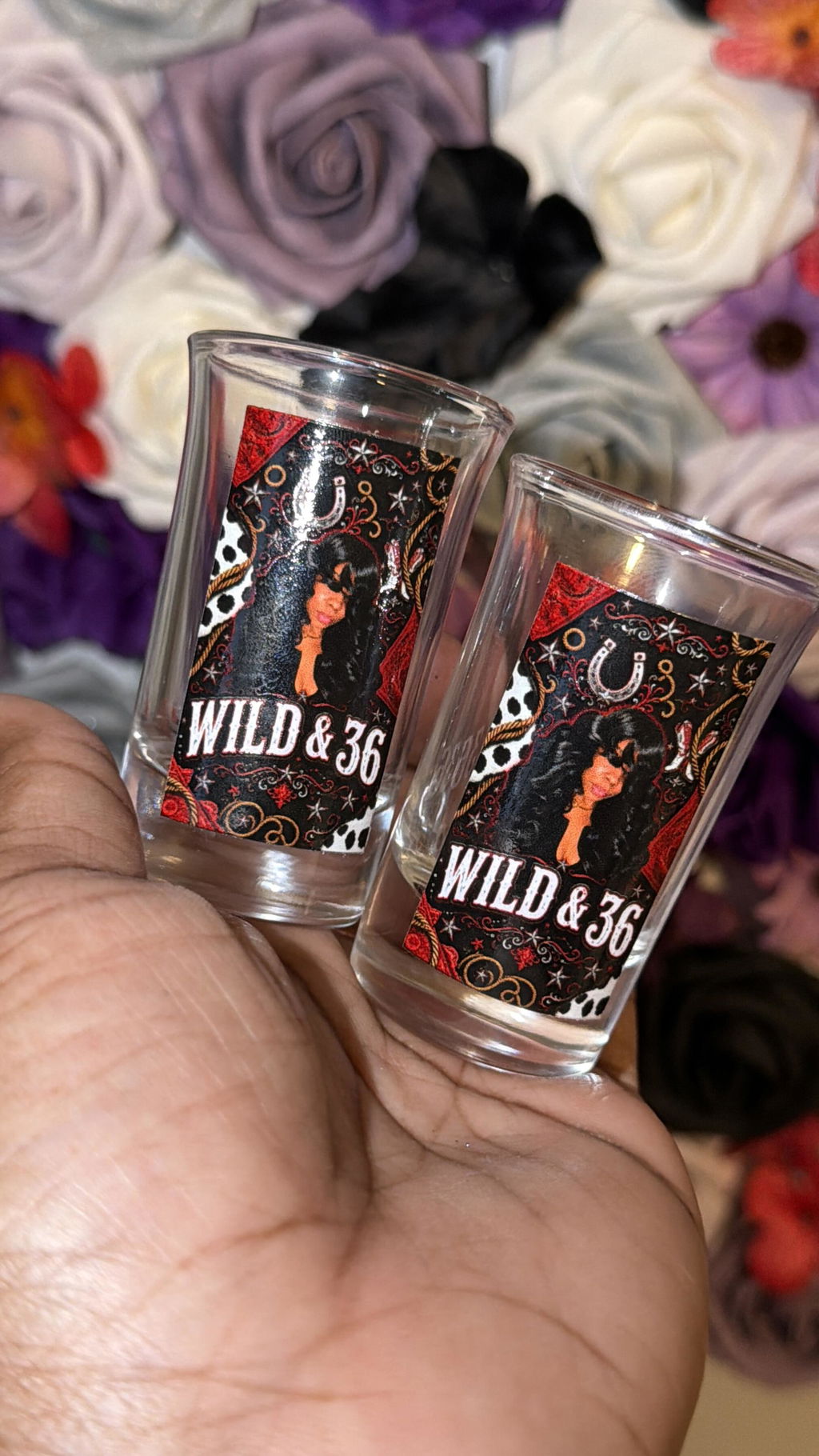
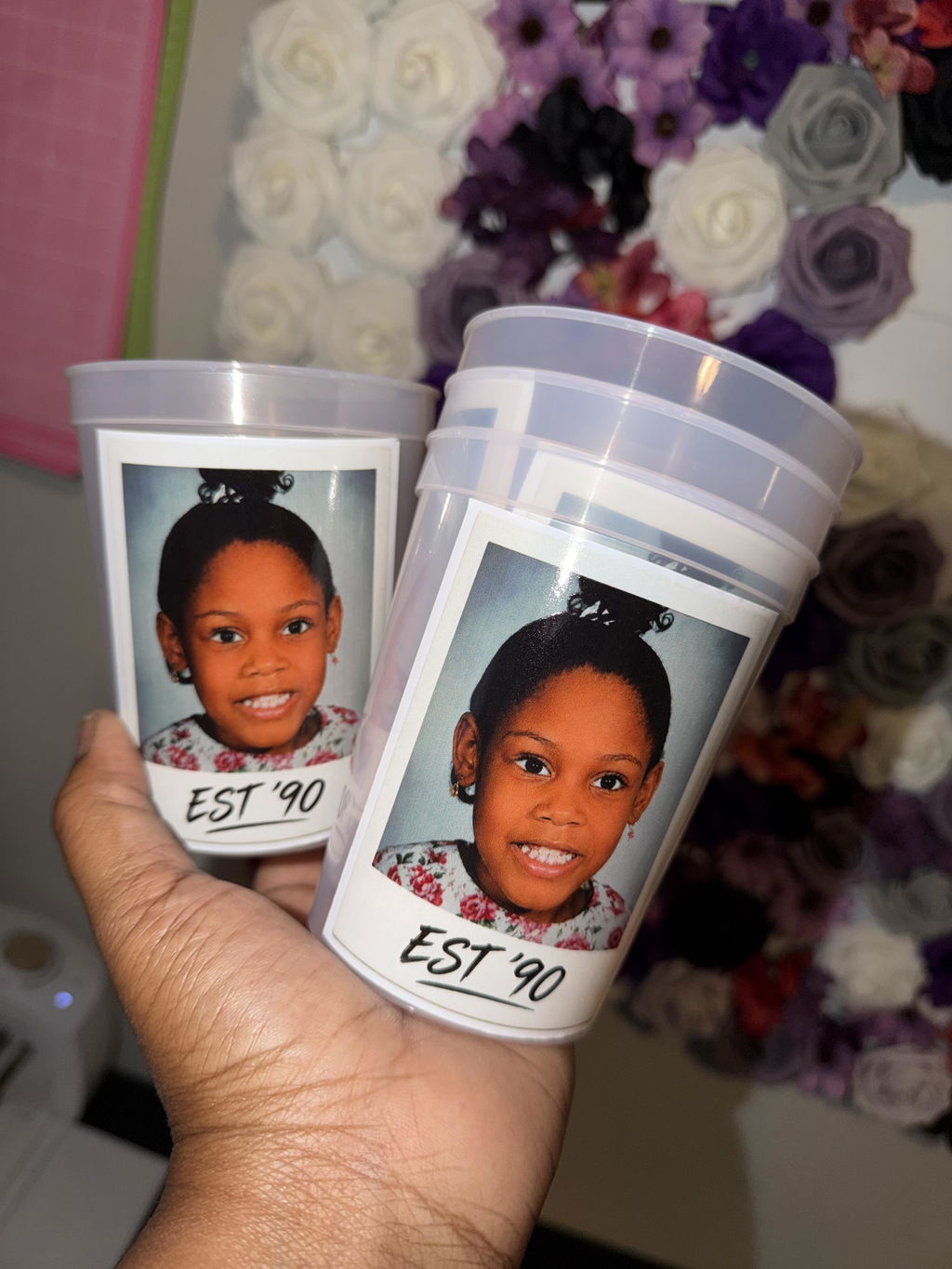
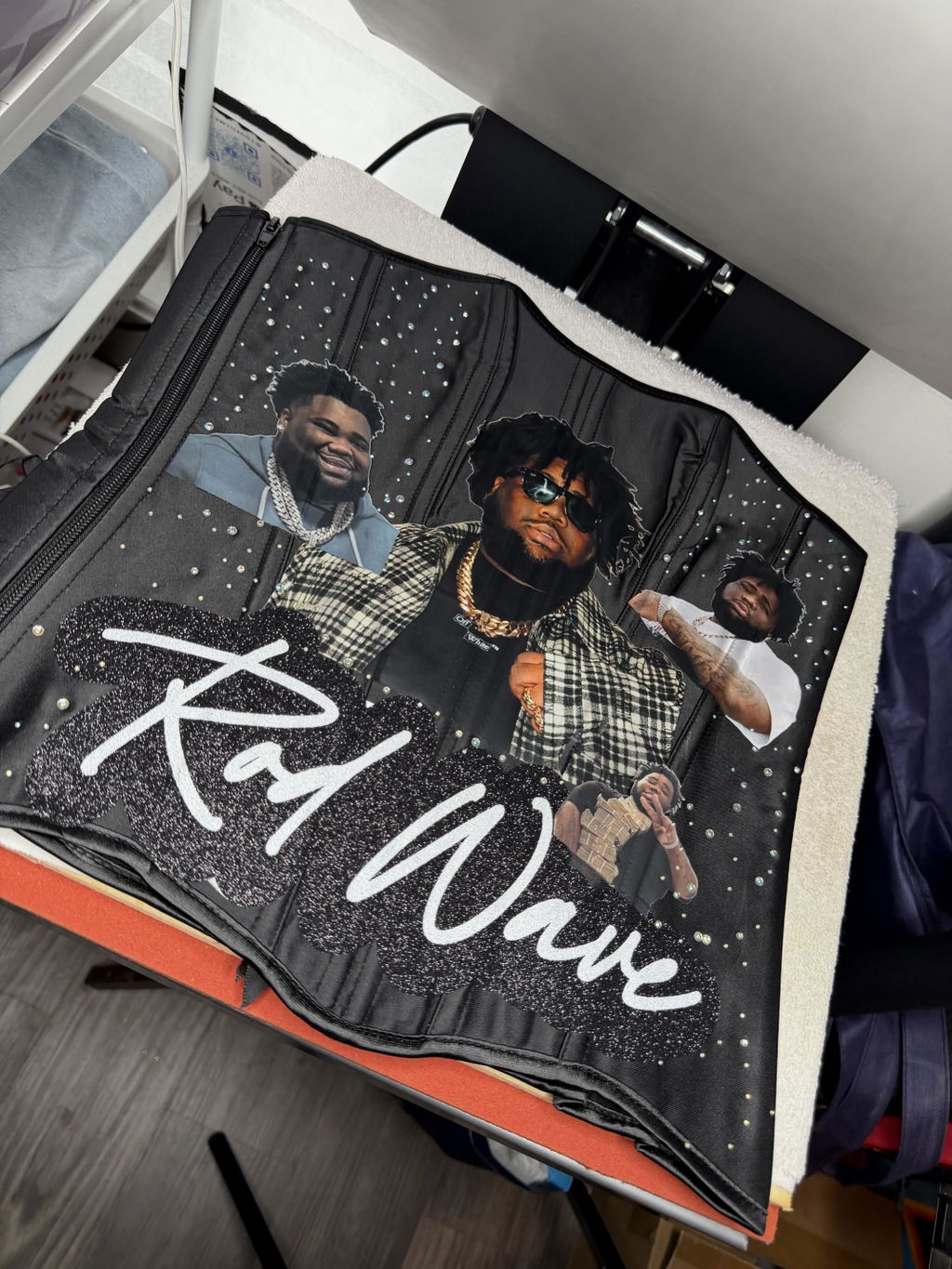
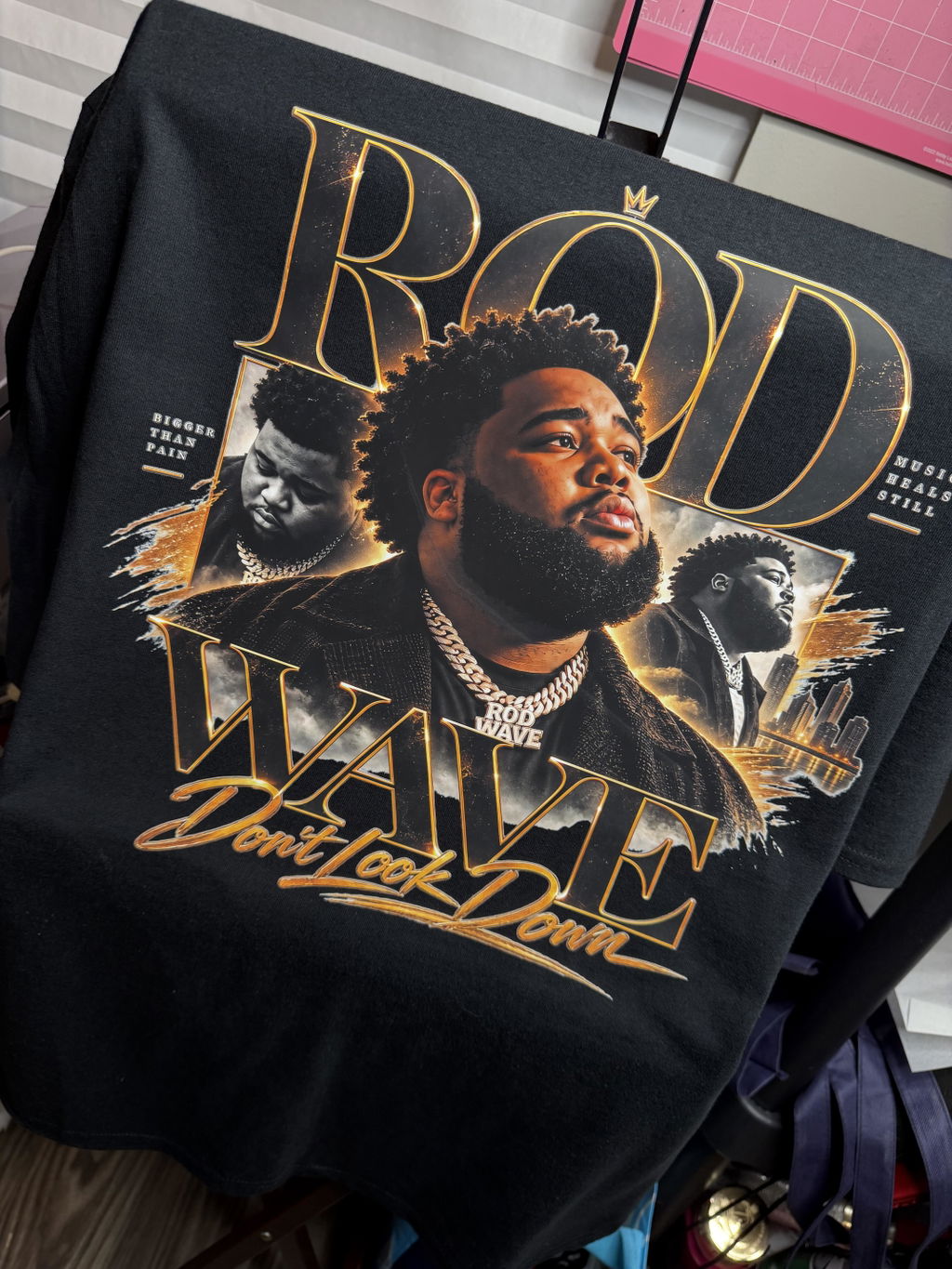
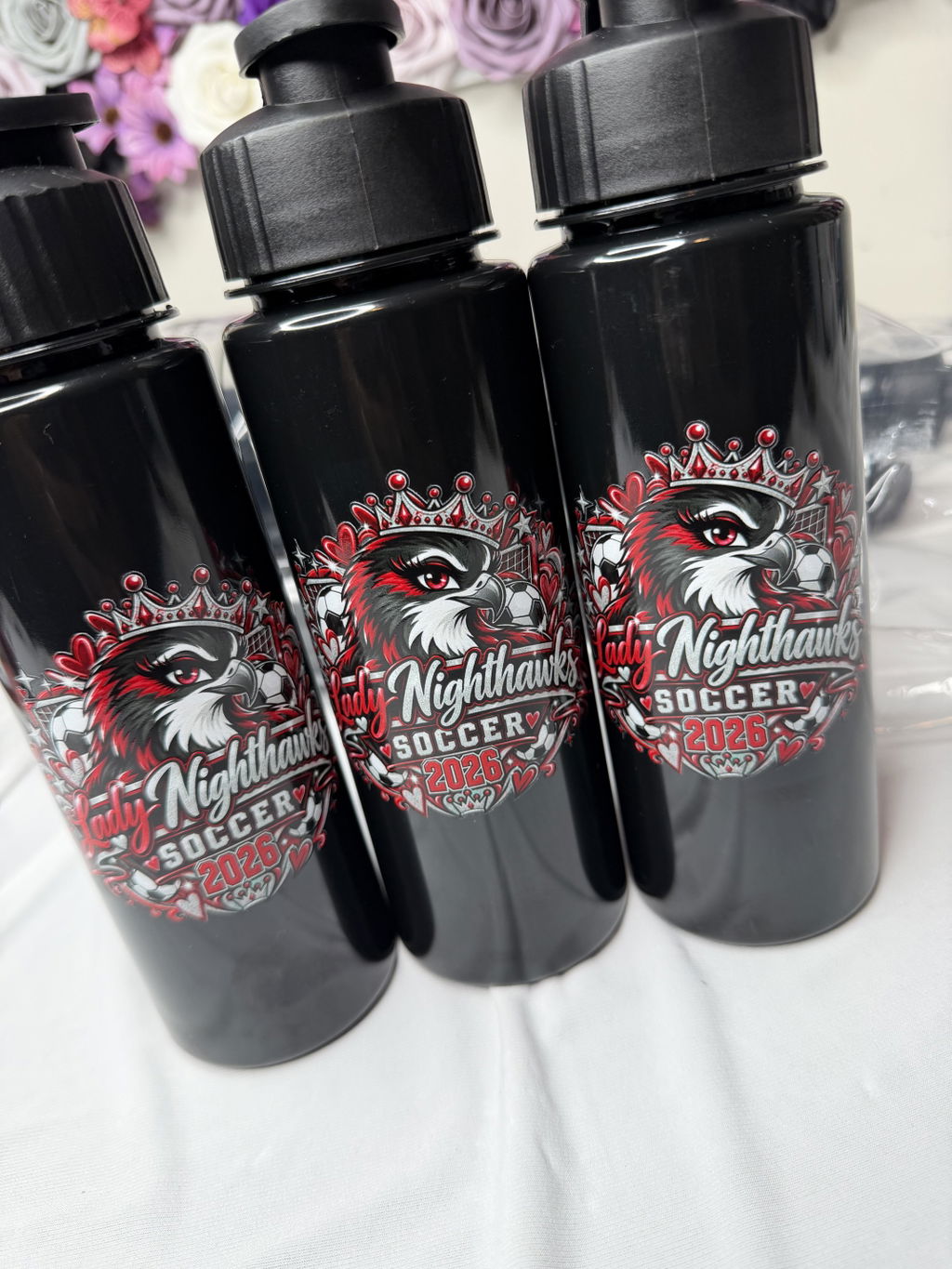
VIBRANT COLORS
•ORDER TODAY. PRINT TODAY. SHIP TODAY
•PREMIUM DTF TRANSFERS
•NO MINIMUMS
•FREE SHIPPING OVER $100
•Glitter DTF Transfers · Glow-in-the-Dark DTF Transfers · Nashville DTF Transfers

When choosing a special DTF finish, the first question should not be, “Which one is better?” A better question is: What visual effect does the design actually need?
Glitter DTF transfers and glow-in-the-dark DTF transfers should not be treated as two interchangeable versions of the same idea. Both can create a different visual result from a standard transfer, but the right choice depends on the concept behind the project, the setting where it will be used, and how you want people to experience the design.
If you want to plan your local order from a broader perspective, including format, timing, and other production decisions, start with the Nashville DTF Transfers guide. When the decision comes down to a special finish, the artwork and intended visual result should come first.
A special finish should not be a random detail added simply to make a design look different. The choice becomes more useful when the effect is part of the artwork concept from the beginning.
Before placing the order, ask one question:
What do I want people to notice first about this design?
If a glitter appearance is meant to be part of the design's visible character, glitter DTF may be worth considering. If the concept depends on an effect that becomes visible in a dark environment, glow-in-the-dark may make more sense.
Choosing a finish is therefore more than selecting a transfer type. It is about making sure the artwork concept and the intended visual effect are working toward the same goal.
Not every apparel project needs a special finish.
If the design concept does not depend on glitter or a glow-in-the-dark effect, adding one is not necessary. In that type of project, standard custom DTF transfers may be the more direct option.
A special finish makes more sense when the effect is genuinely part of the artwork idea.
For example, if an event shirt is built around a specific visual effect, the finish becomes part of the design decision. On the other hand, if the goal of a simple brand mark is consistent use across apparel, an added special effect may not be necessary.
This is not about ranking standard and special transfers by quality. The better choice depends on the visual result the project is supposed to achieve.
Glitter DTF transfers can be considered when a glitter appearance is intentionally built into the character of the artwork.
The important point is to treat the effect as part of the visual concept rather than as decoration added after the design is finished.
Glitter may make sense for projects such as:
None of these examples means glitter is automatically the right choice for every event shirt or special project. The finish adds value when it matches the visual purpose of the design.
If glitter fits your project direction, you can review DTF Nash's glitter DTF transfer options.
Glow-in-the-dark DTF transfers serve a different design purpose. In this case, the effect that appears in a dark environment should be part of the project's concept.
Rather than choosing glow simply because you want a transfer that feels different, start by deciding why the artwork needs a glow-in-the-dark effect.
Glow-in-the-dark may fit ideas such as:
Glow-in-the-dark should not be treated as the automatic choice for every event or merchandise project. If the design idea does not depend on the dark-environment effect, another finish may be more appropriate.
If that effect is central to your artwork concept, you can review the available glow-in-the-dark DTF transfer options.
One practical way to choose between the two special finishes is to think about the most important visual moment of the design.
If neither list clearly describes the goal of your project, it may be worth reconsidering standard DTF instead of forcing a special finish into the design.
Instead of treating the special finish as a last-minute decision after the artwork is complete, consider it early in the design process.
Start by defining the visual goal. Then evaluate whether the artwork supports that goal. After that, decide which transfer finish best supports the concept.
A simple planning process can look like this:
This makes the finish part of the design plan instead of something added at the end of the ordering process.
Event apparel is a natural place to consider special DTF finishes, but the fact that something is an event shirt does not automatically make glitter or glow-in-the-dark the right choice.
The visual concept of the event matters.
If a glitter effect fits the event's design language, glitter may be worth considering. If a significant part of the event takes place in a dark setting and the glow effect was designed into the artwork, glow-in-the-dark may make more sense.
If the event begins during the day and later moves into a different environment, it can also be useful to think about what the design is supposed to accomplish at each stage.
Choose the finish around the visual experience of the event rather than automatically choosing one based on the event type.
The fact that a special finish can be used with a logo or brand graphic does not mean every branded apparel project needs one.
Design intent still matters.
If a brand is creating apparel for a special event, merchandise drop, or themed project and wants a different visual direction, glitter or glow-in-the-dark may be worth considering.
If the goal is simply to use the logo consistently and cleanly across garments, standard DTF may be the more appropriate direction.
A special finish should not replace the brand identity. The effect should support the artwork that is already there.
For team or group apparel, choosing a special finish is not simply about applying the same transfer across a larger number of garments.
The more important question is how the design connects to the group's event or shared concept.
A group shirt designed around a glitter-oriented visual theme and an event where a dark environment is an important part of the experience may call for completely different finish decisions.
As the group becomes larger, it also becomes more important to finalize artwork versions, quantities, and which design belongs on which garment before the order is placed.
Define the shared visual idea first, then decide whether a special finish genuinely supports it.
Wanting a different visual effect is understandable for special merchandise. But choosing a finish only because the product should look different from a standard version can create a weak connection between the artwork and the effect.
A stronger approach is to decide why the merchandise concept needs glitter or glow-in-the-dark in the first place.
Does a glitter appearance support the visual character of the product? Is the glow-in-the-dark effect tied to a specific moment or setting in the merchandise concept? Or does the artwork already achieve its purpose without a special effect?
The answers to those questions may matter more than the type of merchandise itself.
Once the artwork and order details are ready, a final review can help confirm that the selected finish still matches the purpose of the project.
This turns the question from “Which finish is better?” into “Which finish makes the most sense for this project?”
If the special effect is an important part of the design, glitter or glow-in-the-dark may be worth considering. If the artwork does not need a special visual effect, standard DTF may be the more direct option.
It is not useful to treat one as universally better than the other. Glitter may fit projects where a glitter appearance supports the design concept, while glow-in-the-dark may fit projects where the dark-environment effect is part of the idea.
Choose according to the visual concept of the event. Glitter may make sense when that effect matches the event's design language. Glow-in-the-dark may be more appropriate when the dark-environment effect is an important part of the project.
A special finish can be considered when it supports the brand artwork or a specific campaign concept. Not every branded apparel project needs glitter or glow-in-the-dark.
It is more useful to consider the finish early in the design process so the artwork concept and intended special effect can be planned together.
You can review the available special-finish options in DTF Nash's special DTF transfers collection.
The right choice between glitter and glow-in-the-dark is not about finding the most noticeable effect.
Start by deciding what the artwork needs to communicate. Then consider where people will see the design and whether the special effect is genuinely part of that experience.
If a glitter appearance supports the artwork idea, glitter DTF may make sense. If the dark-environment effect is an important part of the concept, glow-in-the-dark may be the better fit. If neither effect is necessary, standard DTF may still be the right decision.
Treat the special finish as a design decision made alongside the artwork and intended use, not as an extra detail added at the end of the order.