VIBRANT COLORS
•ORDER TODAY. PRINT TODAY. SHIP TODAY
•PREMIUM DTF TRANSFERS
•NO MINIMUMS
•FREE SHIPPING OVER $100
•DTF Apparel · Meeting Welcome Bags · UV DTF Hard Goods

A meeting welcome bag has to be assembled before the meeting begins, but attendee information does not always arrive on the same schedule. The registration list may be nearly complete while apparel sizes are still missing, creating a bottleneck if every item is treated as equally ready for production.
The better planning question is not, “What should go in the welcome bag?” It is: Which items can be prepared with the recipient data available today, which depend on attendee sizes, and which should move into a separate distribution workflow?
That is a realistic issue in the Brentwood and Williamson County meeting-hospitality context. Visit Franklin's group-services resources include Welcome Bag Swag under attendee-experience planning. When attendee materials are prepared before an event, the difference between size-dependent apparel and items that do not require a size can directly affect when the kit is actually ready to pack.
A useful decision sequence starts with data rather than products: recipient data → size dependency → surface → production type → pack-out timing.
An attendee can be confirmed for the meeting without being ready for an apparel order. The registration may include a name and attendance status while a shirt size is still missing. Another attendee may register late, or a confirmed attendee may not need the apparel item at all.
For planning purposes, it helps to keep at least three statuses separate:
This distinction matters because total attendance is not automatically the same as size-ready apparel quantity. Converting the full headcount into an apparel order before the size data is complete turns uncertainty into a production assumption. A cleaner workflow tracks how many kits are expected and how many recipients are actually ready for apparel as two different numbers.
Not every item planned for a welcome bag has the same information requirement. Some can be prepared without knowing anything about the recipient's clothing size. Others only become packable after the correct size can be matched to the correct person.
A guaranteed kit item should be an item intended for the defined recipient group and supported by the information needed to produce and pack it. A size-independent hard good may fit that category when the item, surface, artwork, quantity, and application plan are already settled.
Apparel is different. A T-shirt or another garment is usually recipient-dependent when the kit is supposed to contain the correct size for each attendee. If the size-to-person match is not ready, placing apparel into pre-packed bags based only on total headcount creates an avoidable mismatch risk.
Apparel can still stay in the meeting plan with a different timing rule: pre-pack it when sizes are ready, add it later, or distribute it separately once the recipient data is reliable.
When both DTF apparel and UV DTF hard goods are being considered for a meeting kit, the production method should not be the first decision. Start with what is known about the recipient and work forward from there.
This sequence prevents every branded item from being forced into one production deadline. Two items can use the same approved corporate logo and still have different readiness dates because one depends on recipient sizes and the other does not.
Apparel fits naturally into a pre-packed welcome bag when the attendee size data is available early enough to support production and kit assembly. The important requirement is not just total quantity. The planning record needs a dependable match between the intended recipient and the size that should go into that person's kit.
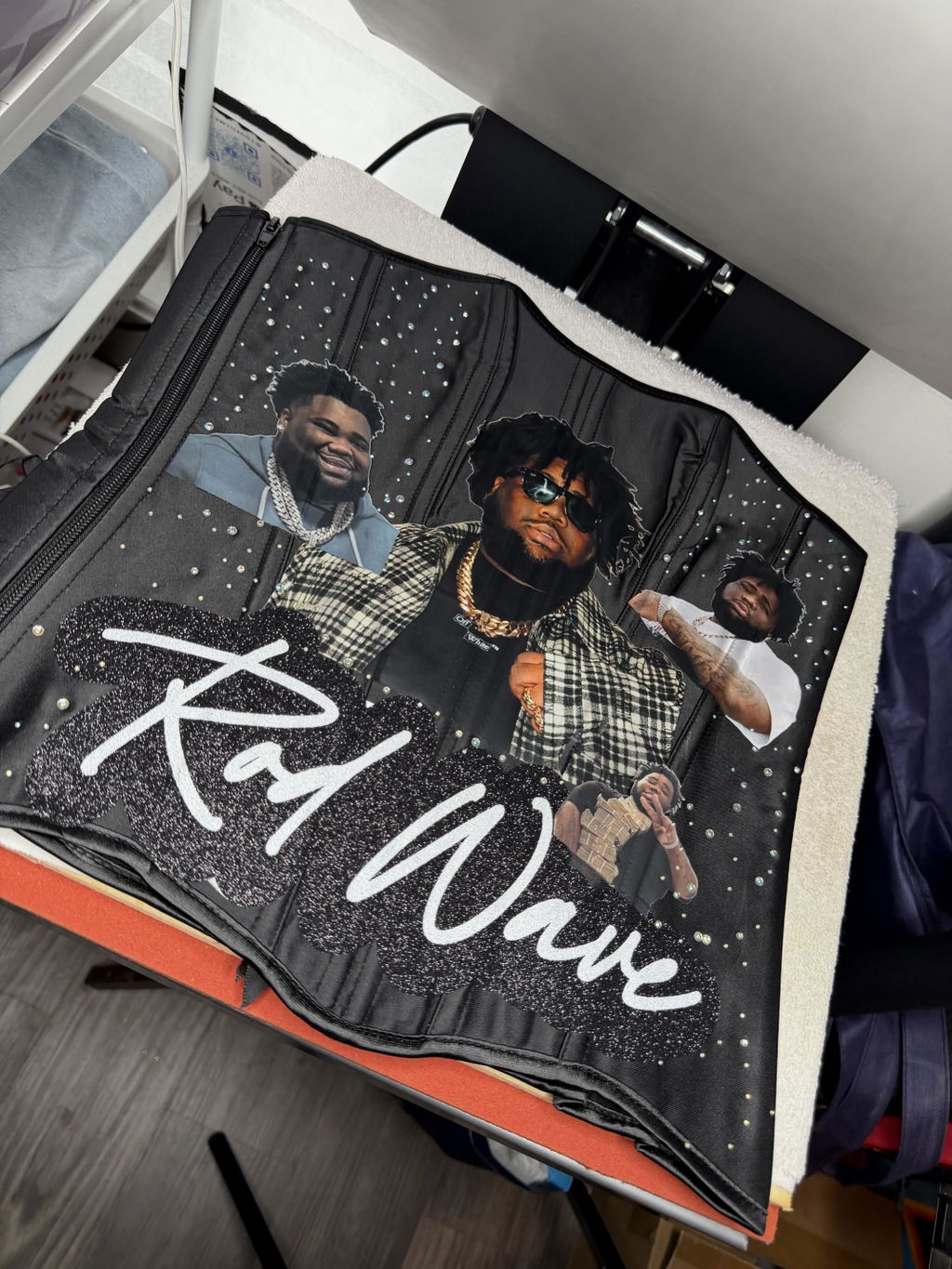
Before apparel enters the pack-out schedule, the team should have the garment, artwork, placement, finished transfer dimensions, size breakdown, and quantity organized. With those specifications in place, the appropriate DTF transfer options can be considered as part of the production plan. If some attendee sizes are still missing, it is more controlled to keep those recipients open than to convert the missing data into guessed sizes.
Staff or organizer apparel should also be separated from attendee apparel. An organizer roster may be finalized long before the attendee size list, allowing staff apparel to be production-ready while attendee garments are still waiting on data.
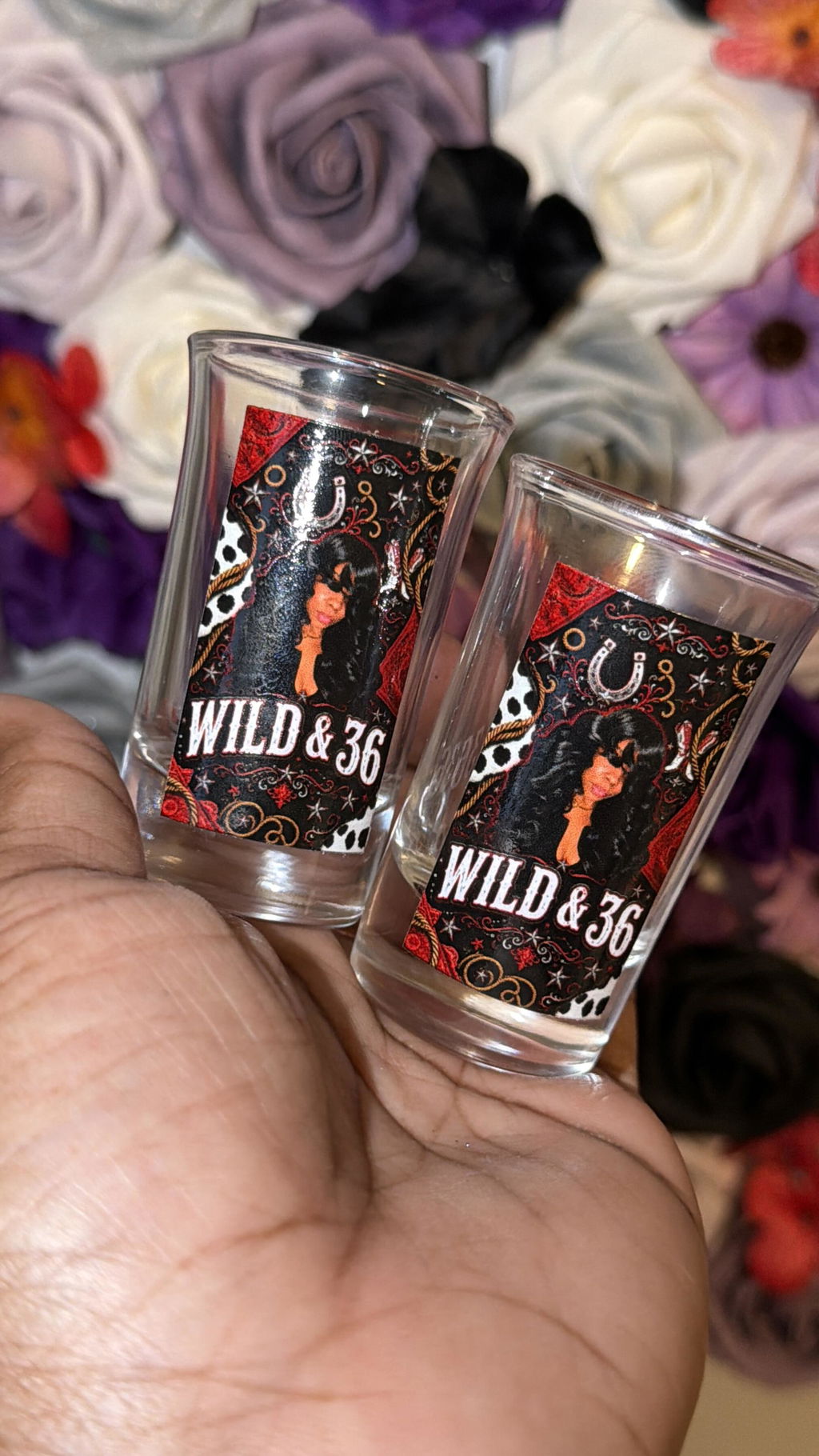
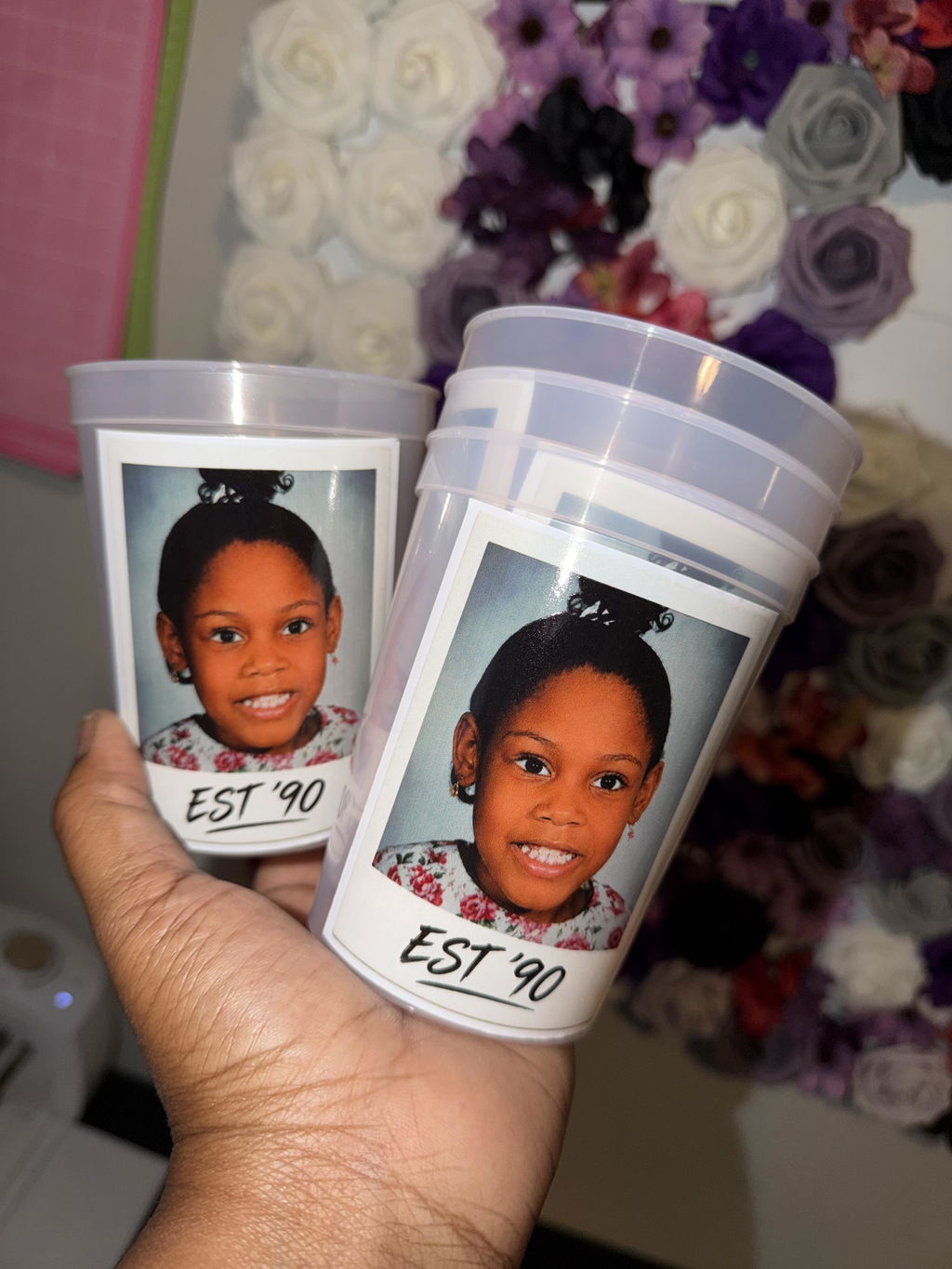
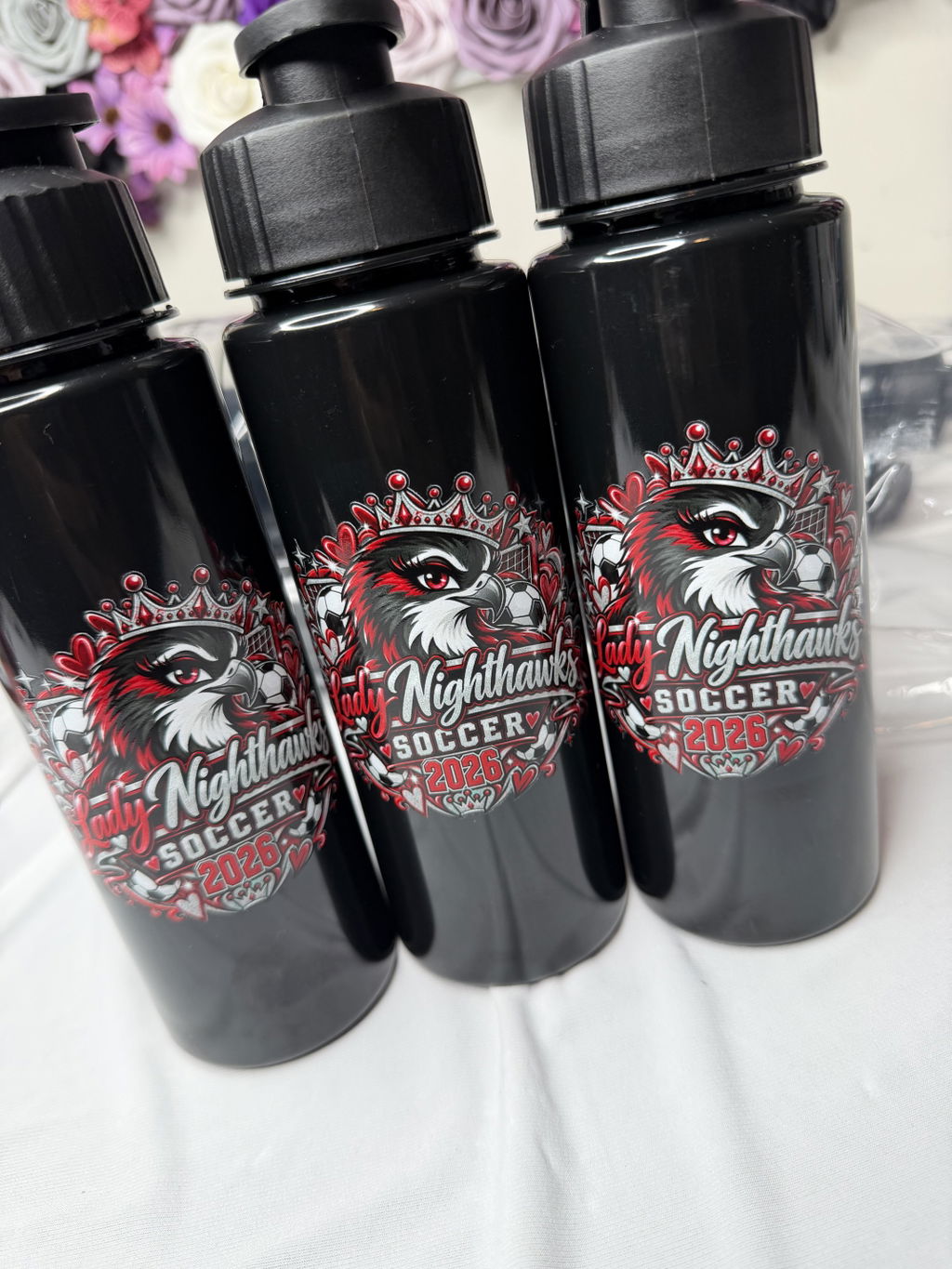
Compatible hard-surface items can follow a different readiness path because they may not require person-specific sizing. For example, a compatible bottle, tumbler, or other smooth hard-surface item can be planned around the actual surface, approved artwork, quantity, and application responsibility rather than an apparel-size distribution.
That does not make every hard good a good welcome-bag item. It still needs a real purpose, must fit the pack-out plan, and should use a surface appropriate for the selected decoration route.
Once those decisions are complete, the team's UV DTF sticker options can be evaluated for the compatible hard-surface portion of the project. Because these items are not waiting on an apparel size roster, they can continue toward production and assembly when their own requirements are complete, even if some garment decisions are still open.
The meeting date is not the only date that matters. The deadline for receiving attendee sizes and the date when welcome-bag assembly needs to begin can be two different operational milestones.
A team can set a registration size cutoff based on its actual workflow. There is no universal number of days that should be applied to every event. The purpose of the cutoff is simply to determine whether new size information is arriving early enough to be usable for apparel production and pre-pack.
If a size arrives after that cutoff, the attendee does not necessarily have to lose the rest of the kit. Universal items can still be packed. Apparel can be held for a later-add process or, when it fits the meeting workflow, distributed on-site after the correct recipient-size match is confirmed.
This prevents one late apparel field from holding up an otherwise ready set of attendee materials.
Late registrations and missing sizes create uncertainty, but that does not mean the solution should be an automatic “order X percent extra” rule. Without real recipient data, a fixed buffer can produce the wrong size mix or leave inventory that has no clear use.
A better approach is to keep the uncertainty visible. Track how many recipients still lack size data, whether apparel is a guaranteed kit component or an optional item, and what distribution route will apply to late registrants.
The same principle applies to size-independent hard goods. Their advantage is that they do not require a size distribution, not that quantity can be guessed. Use a real basis such as confirmed recipient count or a clearly defined number of kits.
A meeting kit can include artwork with very different lifespans. A corporate logo may be useful for future programs, while artwork carrying a specific meeting name, date, or temporary message may only make sense for one event.
Marking artwork as evergreen or event-specific helps prevent leftover items or later reorders from being treated as interchangeable. An item with event-specific artwork should not automatically move into the next meeting simply because the same corporate identity appears elsewhere in the design.
Apparel and hard goods may follow different production routes, but the planning record should still show which approved artwork version belongs to each item.
An item placed in a welcome bag before the event and apparel handed out later at registration do not share the same handoff point.
For a pre-packed kit workflow, the item needs to be ready, counted, and assignable to the correct recipient group before assembly begins. If size-dependent apparel is still missing a reliable recipient-size match, a separate later-add or on-site distribution workflow may be more practical.
This simply recognizes that production readiness and bag-assembly readiness are different states.
If the same meeting project also includes branded apparel or compatible hard-surface items outside the welcome bag, the DTF and UV DTF business-use guide for Brentwood provides a broader framework for those B2B use cases.
Welcome-bag planning does not require a complicated system. A spreadsheet, order sheet, or existing event-planning record can work as long as the assembly information is not scattered across the attendee roster, apparel-size file, artwork folder, and separate email threads.
A practical pack-out record can include:
If the attendee list changes, this record makes it easier to update only the affected item or recipient group instead of rebuilding the entire kit plan.
The key distinction in a meeting welcome-bag project is simple: being registered for the meeting is not the same as being production-ready for apparel. Size-dependent garments become reliably packable when the recipient data needed to assign the correct size is complete. Compatible hard goods that do not depend on size data can move on a different timeline once their surface, artwork, quantity, and application decisions are settled.
The final check should therefore be more useful than “Are all the products on the order?” Ask instead: For every item, are the recipient data, size dependency, surface, production route, and pack-out timing clear?
When those answers are visible, welcome-bag assembly does not have to become one large job waiting on the last missing apparel size. Universal items can move according to their own readiness, apparel can be produced from reliable recipient data, and the meeting team can know in advance what belongs in the bag and what should be distributed later.