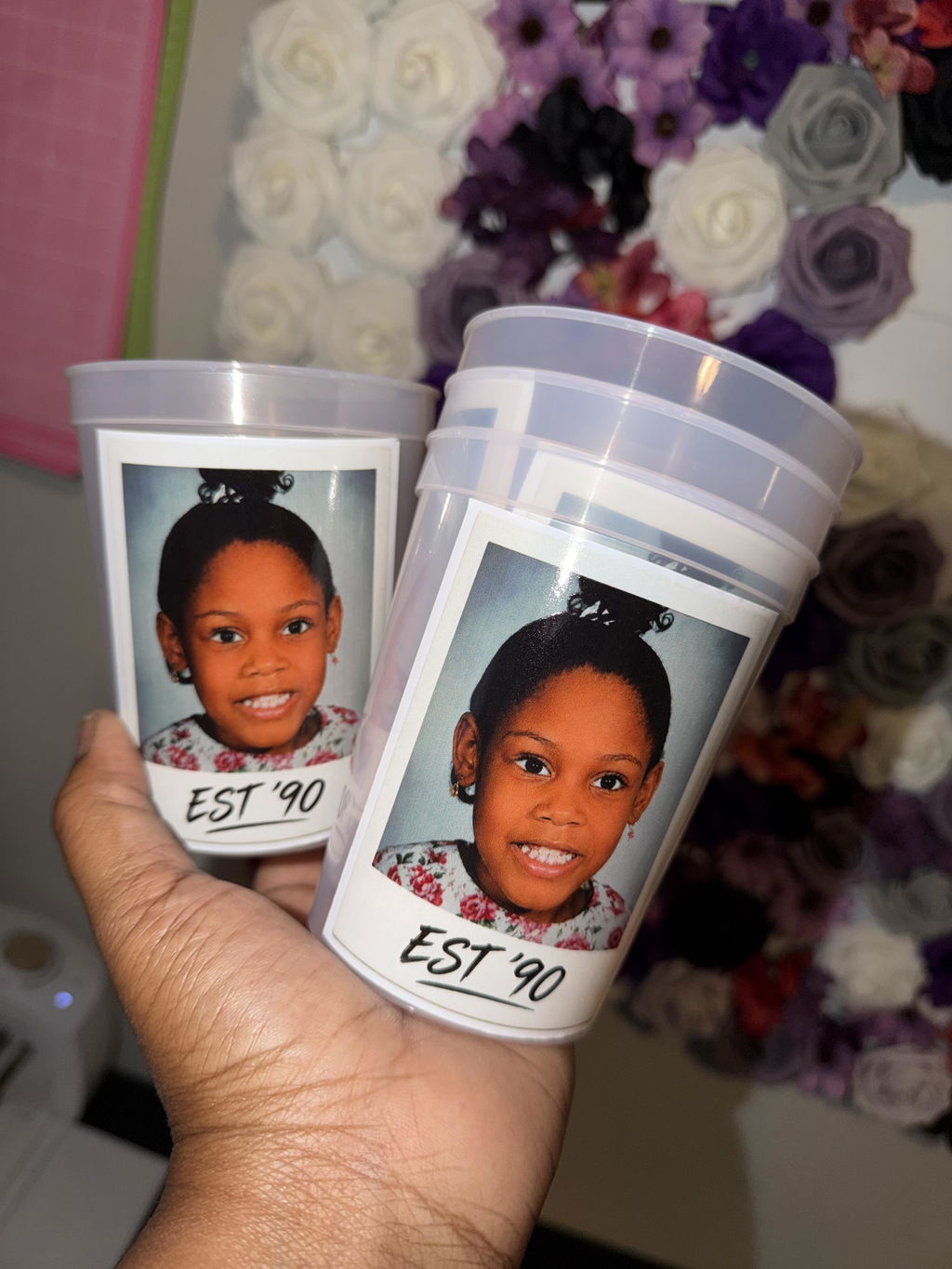
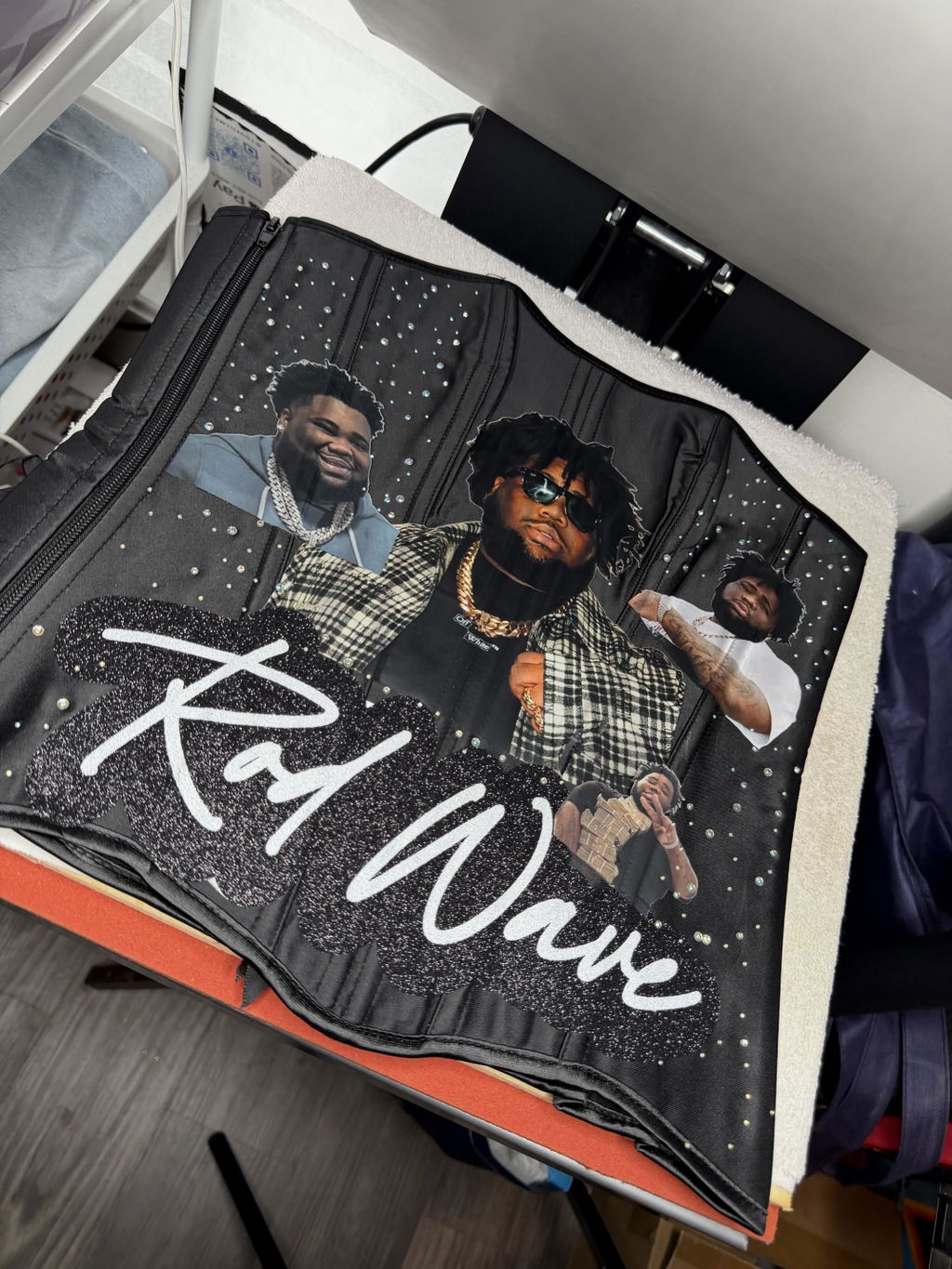
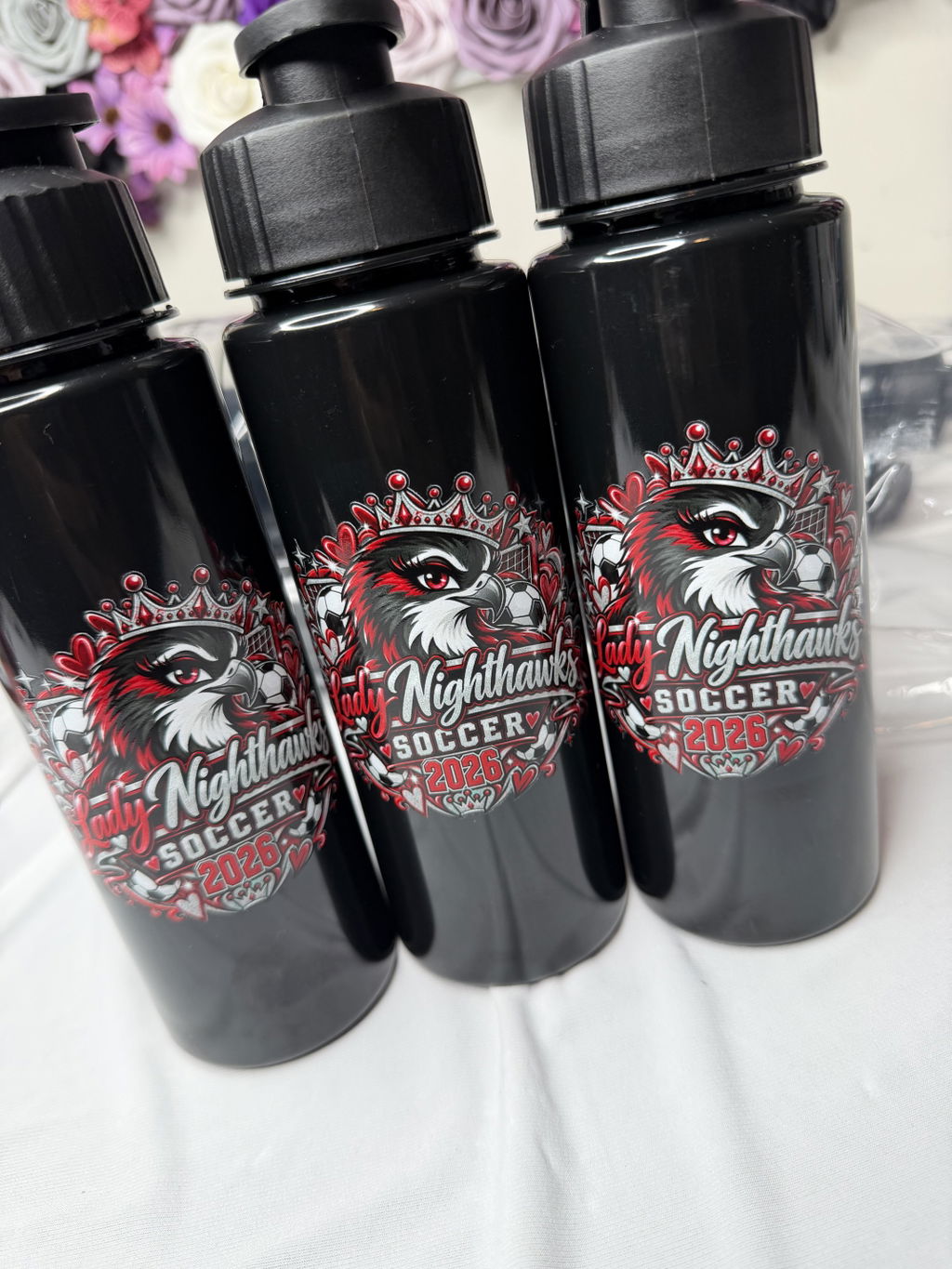
VIBRANT COLORS
•ORDER TODAY. PRINT TODAY. SHIP TODAY
•PREMIUM DTF TRANSFERS
•NO MINIMUMS
•FREE SHIPPING OVER $100
•DTF Apparel · New Office Branding · UV DTF Branding

Opening a new office can make branding feel like one large order: employee apparel needs to be ready, bottles or tumblers may need branding, and a few reception or back-office items may need to carry the same visual identity before move-in. But using one approved logo does not mean every touchpoint should follow the same production method, quantity, owner, or deadline.
The better starting question is not, “Which branded products should we buy?” It is: Which brand touchpoints actually need to be ready on day one, which belong on apparel, which belong on compatible hard surfaces, and what must be finalized before production begins?
That is a practical question in Brentwood's office-oriented business environment. The City of Brentwood's history of Maryland Farms notes that the area developed into a business park, reinforcing Brentwood's longstanding office context. For a company opening or relocating a workspace, branded apparel and hard-surface touchpoints are a realistic operational planning issue rather than a generic swag exercise.
A useful way to manage the launch is to stop treating everything as one “branding order” and create a simple brand deployment map instead.
A brand deployment map is not a catalog of everything that could carry a logo. It makes each planned touchpoint visible as a production decision so the team can focus on what the new office actually needs.
For every planned item, record the same basic questions:
Keeping those fields together creates an important distinction. “Logo approved” closes the creative decision. Production readiness requires the surface, quantity, timing, ownership, and application details to be clear as well.
As an office opening gets closer, every branded idea can start to feel equally urgent. That is how a launch becomes overloaded with items that are not actually necessary for the first working day.
A cleaner plan separates touchpoints into two simple groups: day-one essentials and later-phase items.
Day-one essentials should be limited to items the business genuinely expects to use when the workspace opens. Later-phase items can wait until the team has better information about actual usage, headcount, placement, or recurring needs. A good branding idea is not automatically a move-in requirement.
The point of a phase-one and phase-two model is not to delay useful branding. It is to prevent the move-in date from becoming an artificial deadline for every possible branded item.
When planning both DTF and UV DTF for a new office, “Which one is better?” is the wrong first question. Start with the surface. Once the team knows where the branding will live, the appropriate production route becomes much easier to define.
Employee T-shirts and other appropriate branded garments belong on the apparel side of the map. For those items, approved artwork is only one part of the specification. The team also needs the garment, garment color, placement, finished transfer dimensions, size breakdown, and quantity.
For example, “We have 30 employees” does not automatically mean the correct order is 30 identical apparel items. Headcount is not a size breakdown. If some employees need more than one garment, or if different roles use different apparel, the required quantity can also differ from the employee count.
Once artwork, placement, dimensions, and quantities are settled, the buyer can compare the appropriate DTF transfer options for apparel. Choosing the product route after the specifications are known keeps purchasing from having to reconstruct missing production details at checkout.
Bottles, tumblers, or other branded hard-surface items should not be managed as if they were employee apparel. First confirm the actual item and surface are appropriate for the intended decoration method, then define the artwork, finished dimensions, quantity, and application responsibility for that item.
One operational difference is that these items may not depend on employee size data. That means some compatible hard-surface touchpoints can be finalized even while apparel sizes are still incomplete. But “no size required” does not automatically make an item a day-one essential. Its real use still needs to justify its place in the first phase.
After the surface and artwork requirements are clear, the team can review the appropriate UV DTF sticker options as a separate production route. Apparel and hard goods can live under the same office-opening project, but they should not be forced into the same specification line.
During an office opening or relocation, employee count, start dates, and size information may not become final at the same time. That uncertainty matters most on the apparel side because a headcount list does not provide the size distribution needed to produce the intended garments.
For apparel, distinguish at least three pieces of information: confirmed wearer count, confirmed size data, and required quantity. If new hires have not started or sizes are still missing, keep that uncertainty visible rather than converting it into a false final quantity.
Hard-surface touchpoints may follow a different quantity logic because they are not necessarily tied to a size roster. Their quantities might depend on desks, departments, client-facing use, or another confirmed operational need. The deployment map helps both quantity systems stay visible without pretending they are the same.
Opening a new workspace does not mean the company needs a new brand identity. In many cases, the job is simply to deploy an already approved corporate identity into a new physical environment.
That still does not mean every piece of artwork has the same lifespan. The core corporate logo may remain useful for future reorders, while a message tied specifically to an opening date or launch period may only make sense for a short window.
A simple artwork-status field can separate:
The goal is not to build a complicated version-control system. It is to prevent a temporary opening graphic from accidentally becoming the default artwork for a later-phase or repeat order.
“The office opens on the 15th” is an important business milestone, but it is not a complete production deadline. The relevant production question is when each item must actually be ready for its intended use.
Every touchpoint on the deployment map should have its own required-by date. Employee apparel may need to be ready before staff report to the new location. Another branded item may not be used during opening week at all and can follow a later timeline.
This approach avoids inventing a turnaround promise. The team can work backward from the actual required-by date and account for the real steps in its own process, including production, application, internal distribution, or any other preparation that has to happen before the item is used.
A new-office rollout may involve marketing, purchasing, operations, office management, and other internal roles. The deployment map does not need to become an organizational chart, but every planned item should have one operational owner who can close the remaining decisions.
That owner should be able to answer or collect answers to questions such as:
The creative owner and buyer may be different people. What matters is knowing who must resolve an incomplete field before production begins.
New-office branding can easily turn into an attempt to put the logo on every available surface. That makes the rollout harder to control and hides the difference between items that matter immediately and items that are still optional.
A stronger phase-one test is: Does this touchpoint serve a real day-one or daily-operational purpose, and is its production specification complete today?
If either answer is no, the item can move to phase two. That simply separates the opening deadline from the actual business need.
For example, employee apparel with confirmed sizes, approved artwork, placement, and quantities may be ready for phase one. A hard-surface item with an unclear user group, placement, or artwork size may be better handled after move-in rather than rushed into the same deadline.
Teams that want a wider view of how apparel and compatible hard-surface branding can fit into Brentwood business projects can also review the DTF and UV DTF planning guide for Brentwood. For a new-office rollout, however, the immediate priority should remain day-one need and production readiness.
Selecting an item does not make it production-ready. Before the order moves forward, review every row of the deployment map and confirm that it carries enough information to be acted on without another round of guesswork.
The purpose is not to add bureaucracy. It is to keep the final days before move-in from becoming a search through emails and spreadsheets for decisions that should already be attached to the item.
Effective branded-product planning for a new workspace does not start by choosing the largest number of products. It starts by deciding what each touchpoint is supposed to do, what surface it belongs on, whether it is truly needed for day one, and what information must be complete before it enters production.
Employee apparel and compatible hard-surface items may carry the same approved identity, but they are different production decisions. Quantity, size dependency, production route, artwork lifespan, owner, application responsibility, and required-by date can all differ.
The most useful final test is simple: Can someone look at each planned touchpoint and understand the surface, artwork, quantity, owner, and real deadline without needing another explanation? If the answer is yes, the production plan is much more likely to reflect the actual needs of the office launch instead of treating every branded idea as one undifferentiated order.