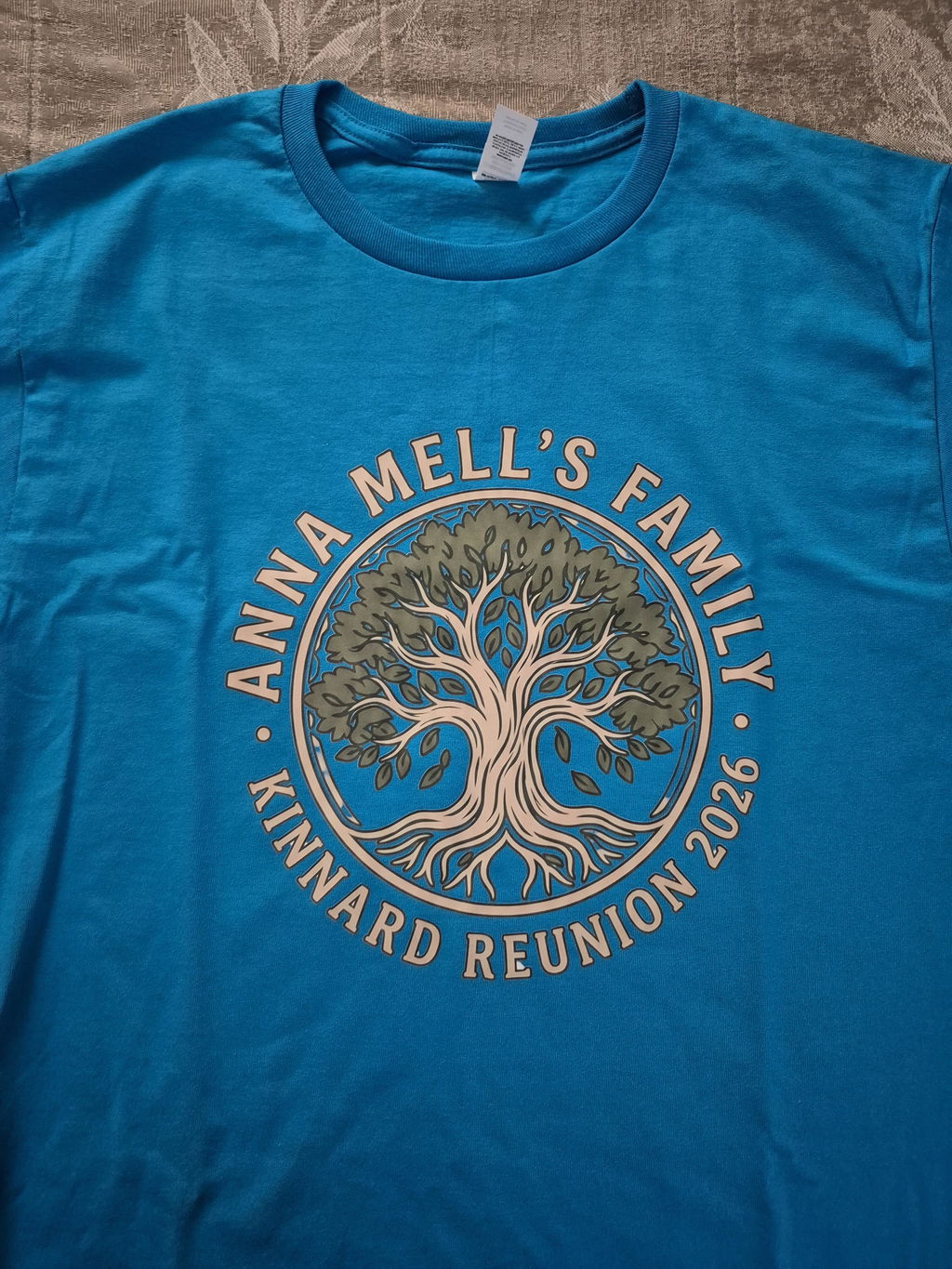
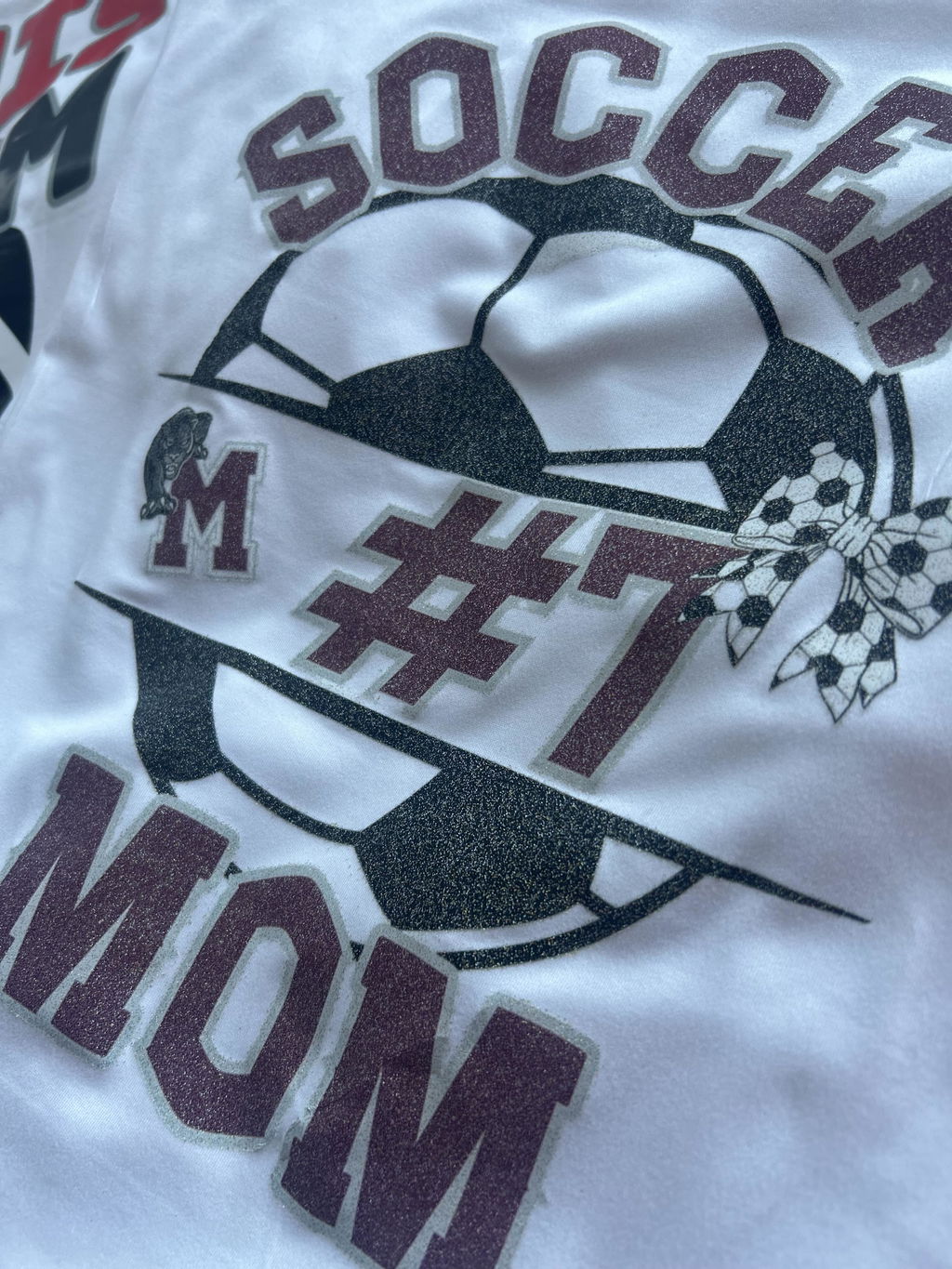
VIBRANT COLORS
•ORDER TODAY. PRINT TODAY. SHIP TODAY
•PREMIUM DTF TRANSFERS
•NO MINIMUMS
•FREE SHIPPING OVER $100
•dtf transfers · Repeat DTF Orders · Wholesale DTF Transfers

For a business ordering DTF transfers regularly or at higher volumes, the challenge is not simply ordering more transfers. The process also needs to account for which artwork will be reused, which transfer sizes stay consistent, when transfers need to enter production, and which details must be checked again every time a new job begins.
For a print shop, apparel business, clothing brand, team, school, or other recurring-order customer, the goal is to avoid rebuilding every order from scratch. A more repeatable system can make it easier to separate information that stays consistent from the details that change from one production run to the next.
Regular or higher-volume DTF transfer ordering does not, by itself, imply special wholesale pricing, bulk discounts, a minimum order quantity, or a membership benefit. The focus here is not pricing. It is building a more predictable process for repeat and bulk transfer needs.
If you want a broader look at local ordering first, start with the Nashville DTF Transfers guide. For repeat and bulk orders, the next step is separating reusable information from the variables that need to be checked for every new job.
A one-time DTF order is usually built around the needs of one current job: artwork, transfer dimensions, quantity, order format, deadline, and fulfillment method.
With repeat orders, many of those decisions come back again.
If you regularly print the same customer logo, for example, searching for the correct artwork file, deciding the transfer size again, and rebuilding the order structure every time can create unnecessary work.
A more practical approach is to identify which parts of the order are genuinely reusable and which details still need to be confirmed each time.
Think of a repeat workflow in two groups:
This does not make ordering automatic. It simply reduces the number of decisions that need to be rebuilt unnecessarily.
Artwork organization is one of the most useful foundations for repeat DTF ordering.
A print shop or apparel business producing recurring work for the same customers may use the same logos, brand graphics, and garment placements across multiple production runs.
Keeping those files organized by customer, job, or design role can make it easier to identify the correct version when a new order is ready.
For one brand, that might include:
Different sizes of the same artwork should still be treated as separate production items. A file may look identical, but if its intended print dimensions change, that difference matters when you prepare the next order.
When the same artwork is regularly used in the same placement, recording the transfer dimensions that have worked for that specific job can provide a useful reference for future orders.
That does not mean every design should always be printed at one fixed size. Garment type, placement, artwork changes, or a new production requirement may call for different dimensions.
But for jobs that genuinely repeat, keeping commonly used sizes organized can reduce the amount of information you need to reconstruct before ordering.
If a job uses a smaller number of designs with defined dimensions, you can also evaluate custom DTF transfers by size as part of the order plan.
If a production job includes multiple logos, different design sizes, or repeated graphics, a gang sheet may become part of the repeat workflow.
However, an older gang sheet layout should not automatically be copied into every new order without review.
Quantities may have changed. The garment mix may be different. A design may have been removed, replaced, resized, or added since the previous run.
A previous layout is therefore better treated as a starting point that needs to be checked rather than a permanent template.
Before reusing it:
If you are deciding whether a repeat job should use a gang sheet or individual transfers, review the differences between gang sheets and transfers by size before rebuilding the order.
As order volume increases, production organization becomes more important.
A bulk order might involve many copies of the same artwork, or it might combine several customer jobs within the same production window. In either case, total transfer count is only part of the planning process.
Also consider:
Higher quantities become easier to manage when they are divided into clear job groups instead of treated as one large transfer count.
Recurring demand planning does not require predicting exactly what customers will order in the future. A useful first step is simply understanding which jobs already return consistently.
If certain artwork, transfer dimensions, or customer jobs repeatedly come back into production, they can be identified as part of your repeat-order workflow.
Some work may follow a weekly rhythm. Other jobs may return monthly, seasonally, or around specific events.
Recognizing those patterns can help move ordering away from a system where a new order is placed only when transfer needs become urgent.
The purpose is not to create a perfect demand forecast. It is to distinguish recurring work from genuinely one-time jobs.
For recurring production, one common problem is noticing the need for another transfer order only when the job has already become time-sensitive.
A more predictable workflow can define what should trigger the next order.
Depending on the business, that trigger might be:
The trigger does not need to be the same for every type of work. The useful part is having a repeatable reason to review transfer needs before they become a last-minute problem.
A print shop may manage several customer jobs at the same time, which makes artwork organization and job grouping especially useful.
Keeping each customer's recurring designs, dimensions, and previous gang sheet arrangements organized can provide a cleaner starting point when the next job arrives.
The next step is connecting quantity with the date the transfers are actually needed.
If a set of transfers will be used on Wednesday, for example, the planning question is not only “When should I order?” It is also “At what point do these transfers need to enter my production schedule?”
That keeps the transfer order connected to the work that happens after the transfers arrive.
For clothing brands and apparel businesses, recurring demand may come from product restocks, repeat production of existing designs, or the same artwork being used across several garment groups.
In those situations, an organized artwork library, documented transfer dimensions, and reusable order structures can become useful references.
Still, do not assume the previous order is automatically correct for the next one.
For each new production run, confirm the quantity, garment mix, artwork version, dimensions, and deadline again.
This preserves the benefit of repeat ordering without carrying an outdated production setup into a new job.
Higher-volume team and school orders may involve one repeating design, but they can also include names, numbers, different garment groups, and several logo variations.
Knowing the total quantity alone is not enough in those situations.
Each transfer group should be connected to the garment, person, or job it belongs to so cutting, sorting, and pressing can remain organized.
If names and numbers are part of the order, finalize the list before submitting the transfer order and check the quantities against that final list.
For customers ordering DTF transfers regularly in Nashville, fulfillment can become another recurring decision.
DTF Nash offers 24/7 local pickup at its Nashville location. The important distinction remains the same: 24/7 local pickup does not mean 24/7 production.
If local pickup works with your production schedule, it can be considered as part of your repeat-order process. For jobs going to another location, or when pickup does not fit the schedule, shipping may be the more practical option.
Instead of treating fulfillment as a brand-new decision at the end of every order, keep track of which types of jobs are normally easier to manage through pickup and which are better suited to shipping.
Growing order volume does not mean every part of the process should be standardized.
The better candidates are the details that genuinely remain consistent:
Variables such as quantity, deadline, garment mix, or artwork changes should still be confirmed for each new order.
Before submitting the order, bring the important information into one final review:
The purpose of this check is not to make repeat ordering more complicated. It is to turn repeat work into a consistent production routine instead of simply copying a previous order and hoping every detail is still correct.
In this guide, wholesale refers to regular or higher-volume DTF transfer ordering, not to a claimed special pricing program, bulk discount, minimum order quantity, or membership benefit.
Keep frequently reused artwork files, common transfer dimensions, relevant gang sheet layouts, and information about which designs are normally used together organized. Quantities and deadlines should still be confirmed for every new production run.
A previous layout can be a useful starting point, but review it against the new order. Quantities, artwork, design dimensions, or garment mix may have changed.
No. The order format should fit the artwork, dimensions, number of designs, and production workflow. Individual transfers at defined sizes or a DTF gang sheet can support different types of jobs.
Yes, when local pickup fits your production schedule. Keep in mind that pickup availability and production readiness are separate stages of the order process.
The goal is not to automate every decision. It is to keep reusable information organized so you only need to reconsider the details that actually change for each new production run.
For regular or higher-volume DTF transfer needs, a stronger ordering system does not begin with the question, “How many transfers should I buy?”
Start by identifying reusable artwork. Keep recurring dimensions organized. Review repeat gang sheet layouts against each new production run. Watch your actual order frequency and recurring demand. Confirm variables such as quantity and deadline every time.
That approach turns bulk and repeat ordering from a series of last-minute orders into a more predictable apparel production workflow.
When you are ready to plan your next order, review DTF Nash's DTF transfer options and choose the artwork, format, quantity, and fulfillment approach that fits the current production run.