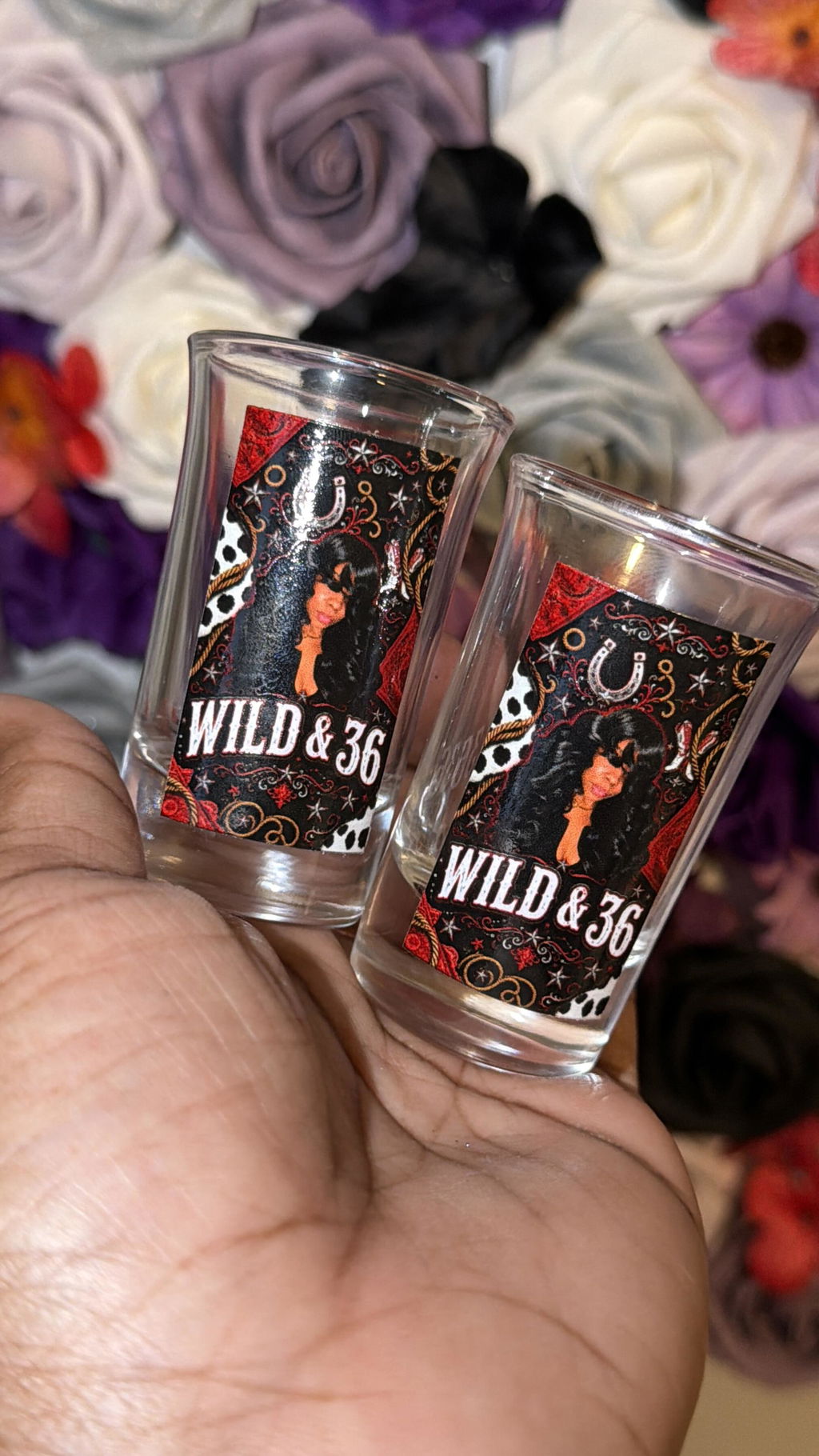
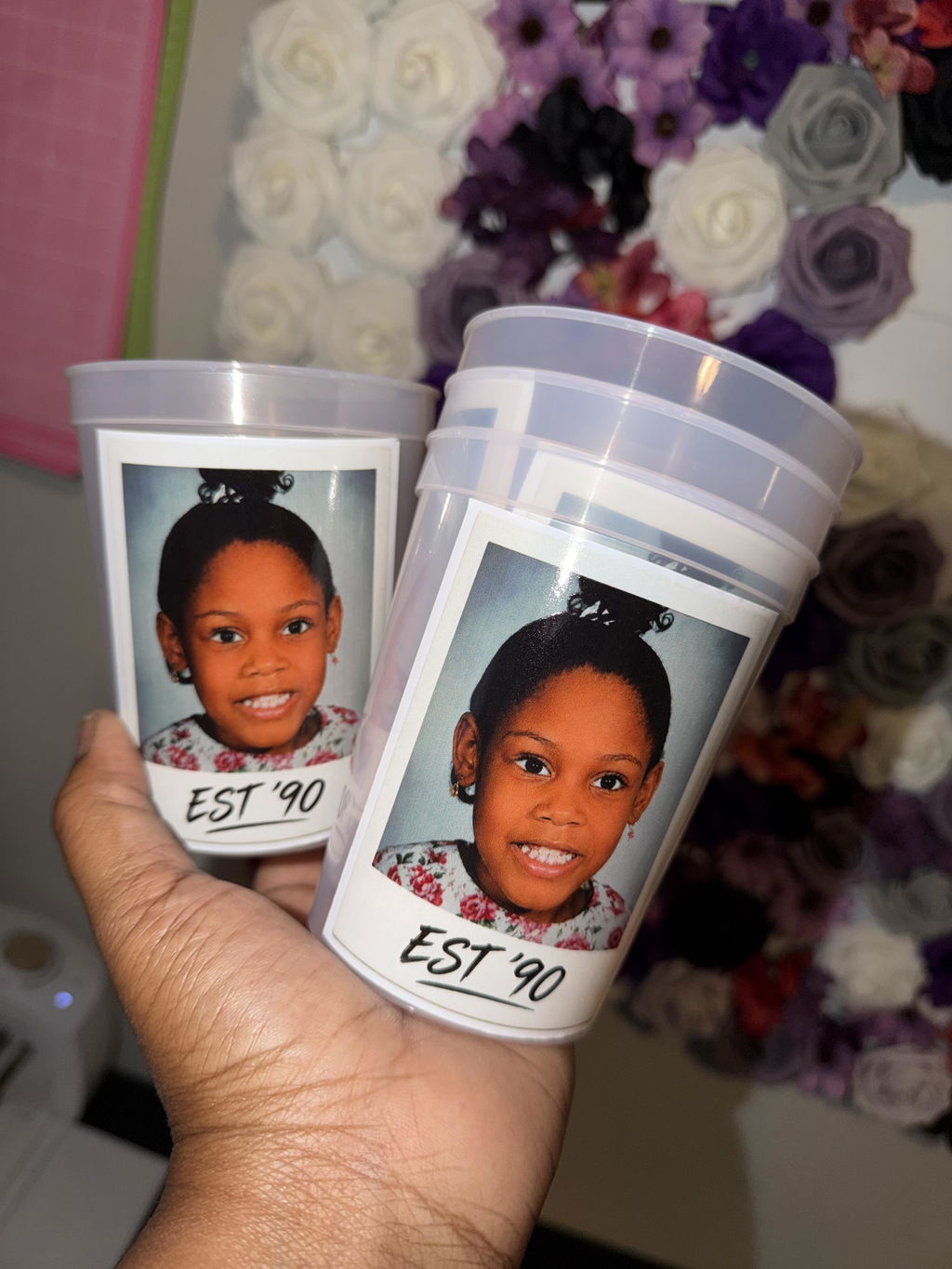
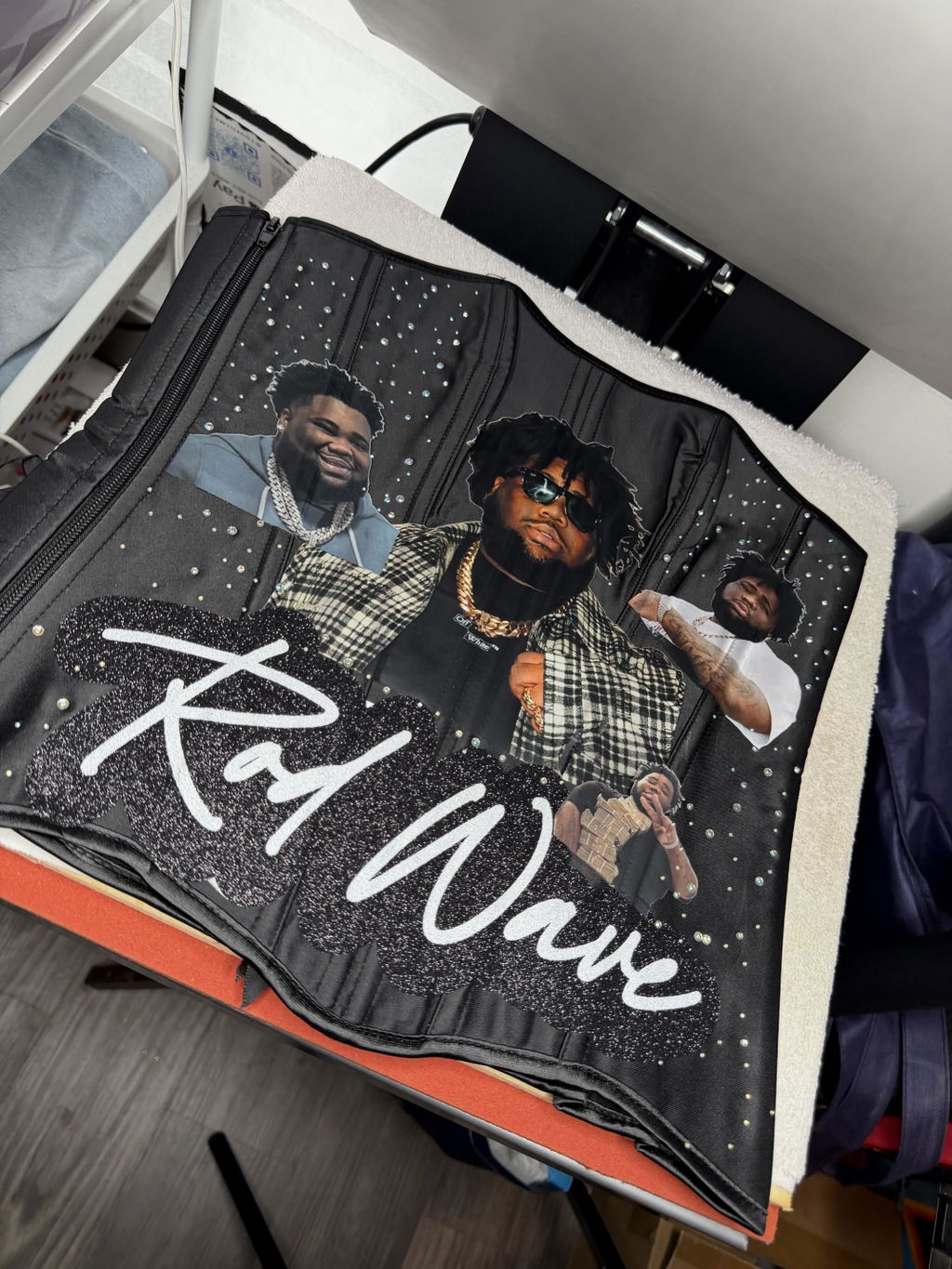
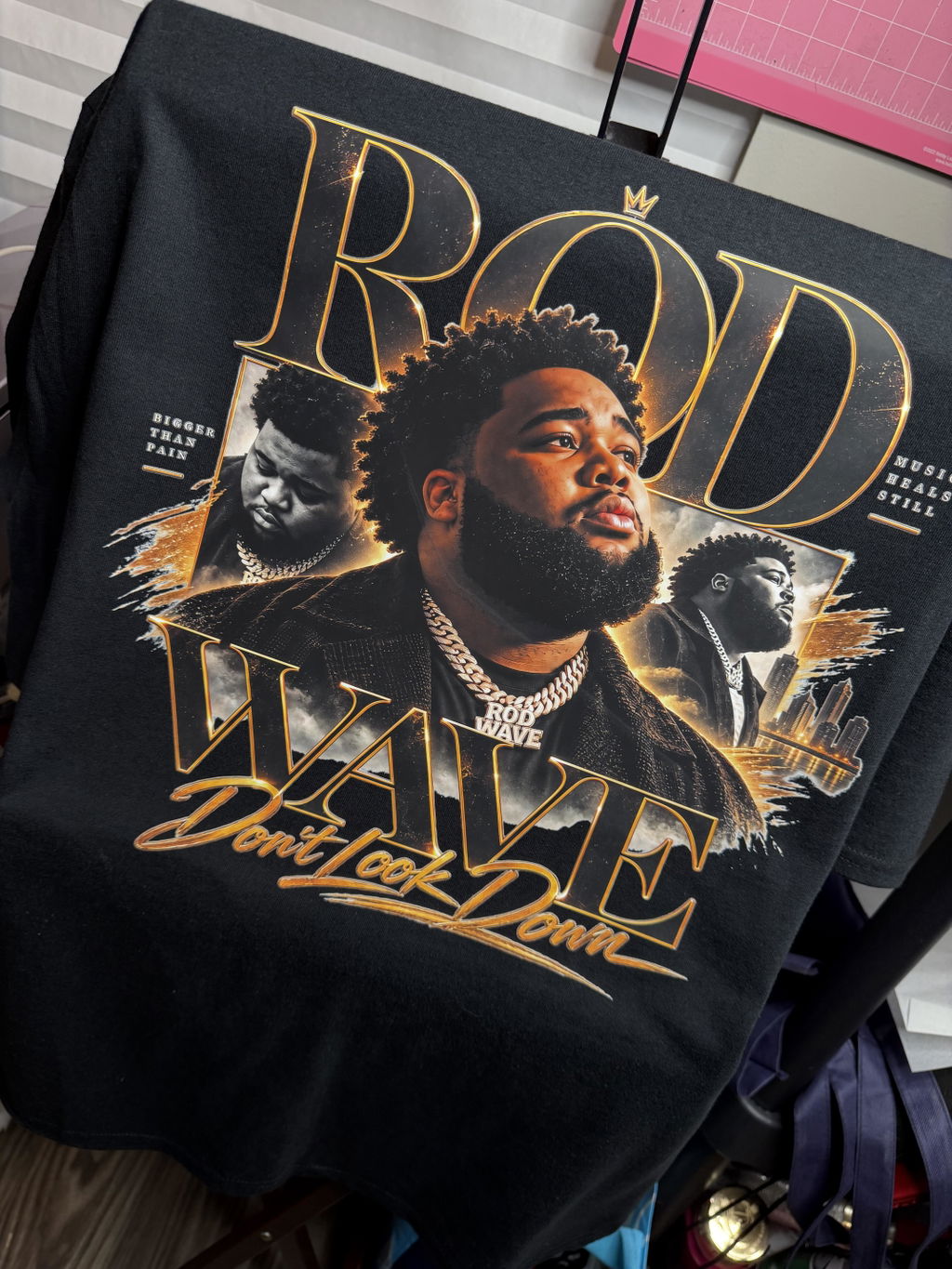
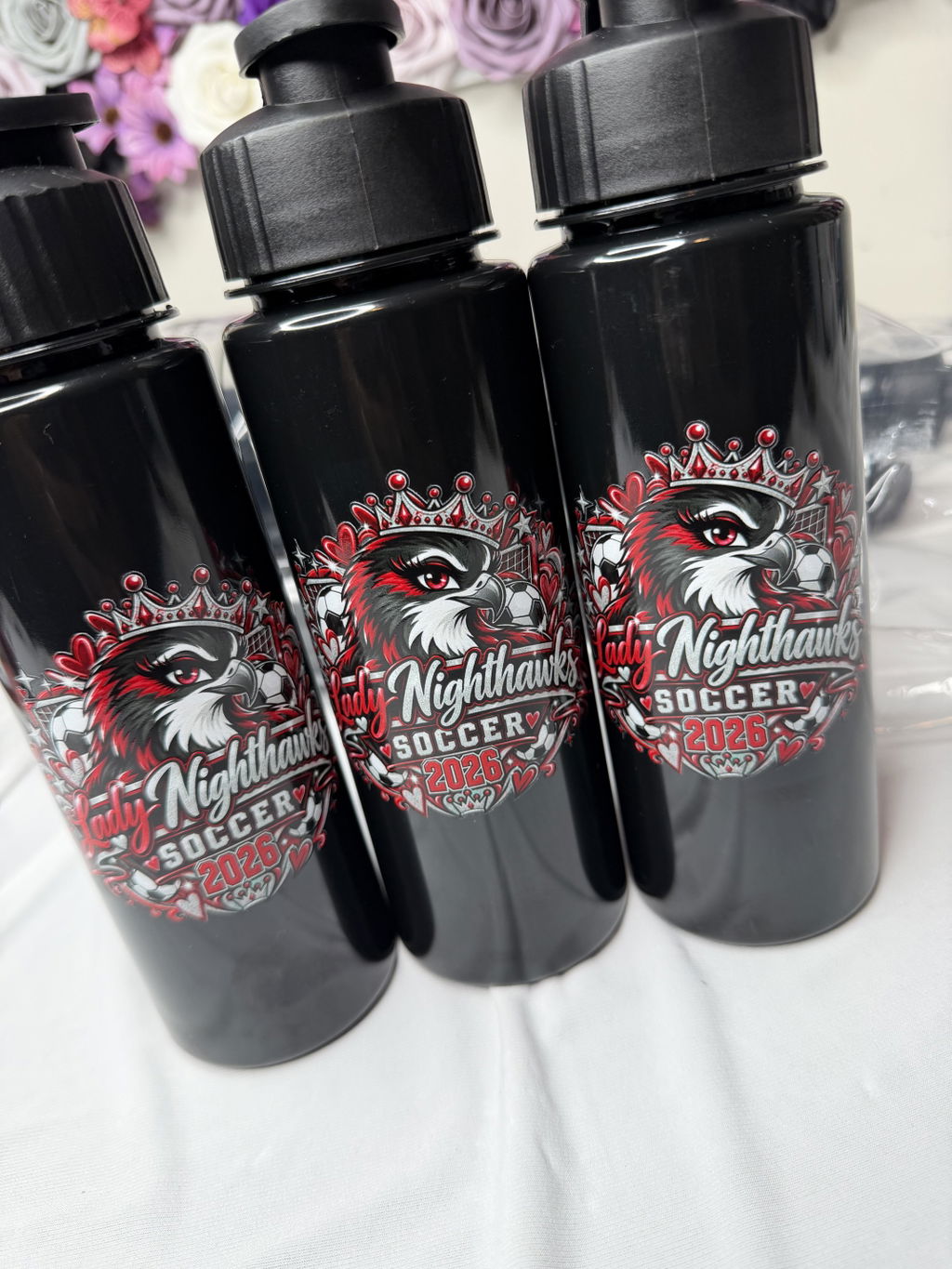
VIBRANT COLORS
•ORDER TODAY. PRINT TODAY. SHIP TODAY
•PREMIUM DTF TRANSFERS
•NO MINIMUMS
•FREE SHIPPING OVER $100
•24/7 Local Pickup · DTF Gang Sheet Printing · DTF Printing Nashville · dtf tenessee · dtf transfers · tenesse

Ordering DTF transfers in Tennessee starts with a few practical decisions: what you are printing, how the artwork should be organized, when the transfers are needed, and how you plan to receive them. Once those questions are clear, choosing between transfers by size, gang sheets, and special finishes becomes much easier.
If you already know the format you need, you can review the available DTF transfer options and move directly into order planning. If you are still comparing formats or building a repeatable production workflow, the sections below can help you make those decisions first.
A DTF transfer order is easier to plan when you begin with the finished apparel project instead of browsing transfer formats without a clear objective.
Before choosing an order route, define the basic structure of the job:
These answers usually make the format decision much clearer. A simple project with one established design may need a very different setup from a production run containing multiple logos, names, sizes, or recurring graphics.
For Tennessee apparel businesses, print shops, schools, teams, brands, and independent creators, that distinction matters because the transfer format should support the way the apparel will actually be produced.
The simplest way to compare the two formats is to look at the structure of the production job.
Consider transfers by size when:
Consider a gang sheet when:
Neither format is automatically better. The better choice is the format that creates the cleaner workflow between artwork preparation, ordering, cutting, organization, and pressing.
A time-sensitive DTF order should not begin with production speed. It should begin with order readiness.
Before placing an order with a firm deadline, confirm:
If those decisions are still changing, the order may not actually be ready even if production itself can move quickly.
This is especially important for Tennessee businesses working around customer pickup dates, events, team schedules, product launches, school activities, or planned apparel production days. Work backward from the time the garments need to be pressed and finished rather than treating transfer production as an isolated step.
Production timing and the way you receive an order are related, but they are not the same decision.
DTF Nash is located in Nashville and offers 24/7 local pickup. Qualifying orders may also be eligible for same-day production or shipping. Those details can be useful when planning a Tennessee DTF order, but they should not be interpreted as a guarantee that every new order will automatically be ready the same day.
For customers who can use the Nashville pickup location, local pickup can become part of the production plan. For projects relying on shipping, the order should be planned around the current production and fulfillment information available when the order is placed.
If your work is specifically based around Nashville fulfillment, the DTF Transfers in Nashville guide goes deeper into the local ordering workflow.
The important distinction is simple:
Plan all three together when a deadline matters.
A one-time transfer order can often be planned around a single artwork file, a quantity, a format, and a deadline. Repeat apparel production introduces a different set of decisions.
If the same graphics are ordered regularly, consider keeping track of:
This is useful for apparel brands, printers, organizations, schools, teams, and other Tennessee buyers who expect the same artwork to return across multiple production cycles.
The objective is not to assume a specific wholesale arrangement, price tier, or minimum order. It is to reduce unnecessary setup decisions by creating a repeatable internal process around the artwork and formats you already use.
The right question is not simply who claims to be the best DTF provider. A more useful evaluation is whether the provider's ordering options match the work you actually need to produce.
Consider the following criteria.
Can you order the artwork in a format that matches your production process? A buyer working with one defined design may have different needs from a printer managing dozens of graphics in a gang sheet.
Do you understand what needs to be prepared before ordering? Sizes, layout decisions, file readiness, and repeat quantities should be clear before the production deadline becomes urgent.
Know whether the project will use pickup or shipping and separate that decision from assumptions about production speed.
If you expect to order the same designs again, consider whether your artwork, dimensions, and layouts can be organized in a way that makes future production easier to manage.
Choose a provider based on the formats the actual job requires. Standard transfers, gang sheets, transfers by size, and special finishes solve different production needs.
Many ordering problems begin before production. They come from decisions that were left unresolved when the order was submitted.
Before submitting a DTF transfer order, make sure you can answer these questions:
If these eight decisions are clear, you are much closer to an order setup that matches the actual apparel production workflow.
Start with the number of designs and whether their final dimensions are already defined. Individual transfers by size can work well for simple, established orders, while gang sheets are worth considering when multiple graphics or sizes need to be organized together.
Not automatically. Quantity alone does not determine the format. A gang sheet becomes useful when organizing multiple graphics, sizes, repeats, or mixed artwork together makes the production workflow easier.
DTF Nash offers 24/7 local pickup at its Nashville location. Whether pickup is practical depends on the customer's location and production plan. Pickup availability should also be considered separately from the time required to produce a new order.
No. Pickup availability and production timing are separate. DTF Nash offers same-day production or shipping for qualifying orders, but that should not be treated as a guarantee that every order qualifies.
Yes. Current DTF Nash options include glitter and glow-in-the-dark DTF transfers. Choose these formats when the visual effect is part of the intended design.
Keep approved artwork, commonly used dimensions, quantities, and useful gang sheet layouts organized. A repeatable setup can reduce the number of decisions that need to be made again each time the same graphics return.
A well-planned DTF transfer order connects the artwork, format, timing, fulfillment method, and apparel production schedule.
If you are working with a simple design and established dimensions, transfers by size may provide the clearest path. If several graphics need to be organized together, a gang sheet may make more sense. If the design requires glitter or glow-in-the-dark behavior, choose that finish intentionally before the order is built.
For repeat production, keep the artwork and layouts that work so the next order starts with a proven setup rather than a blank page.
When those decisions are clear, the next step is to review DTF transfers from DTF Nash and choose the order format that fits the project in front of you.