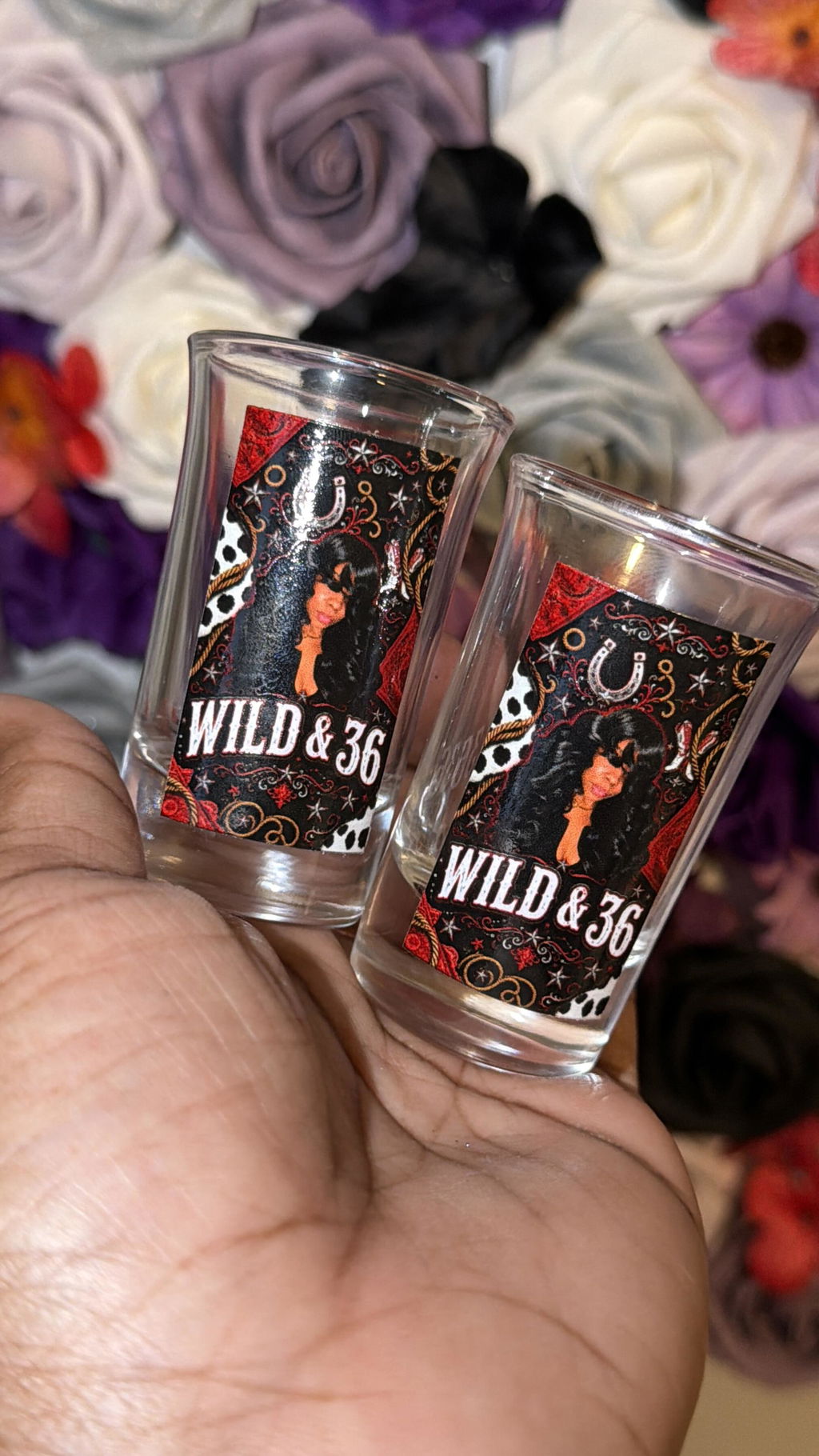
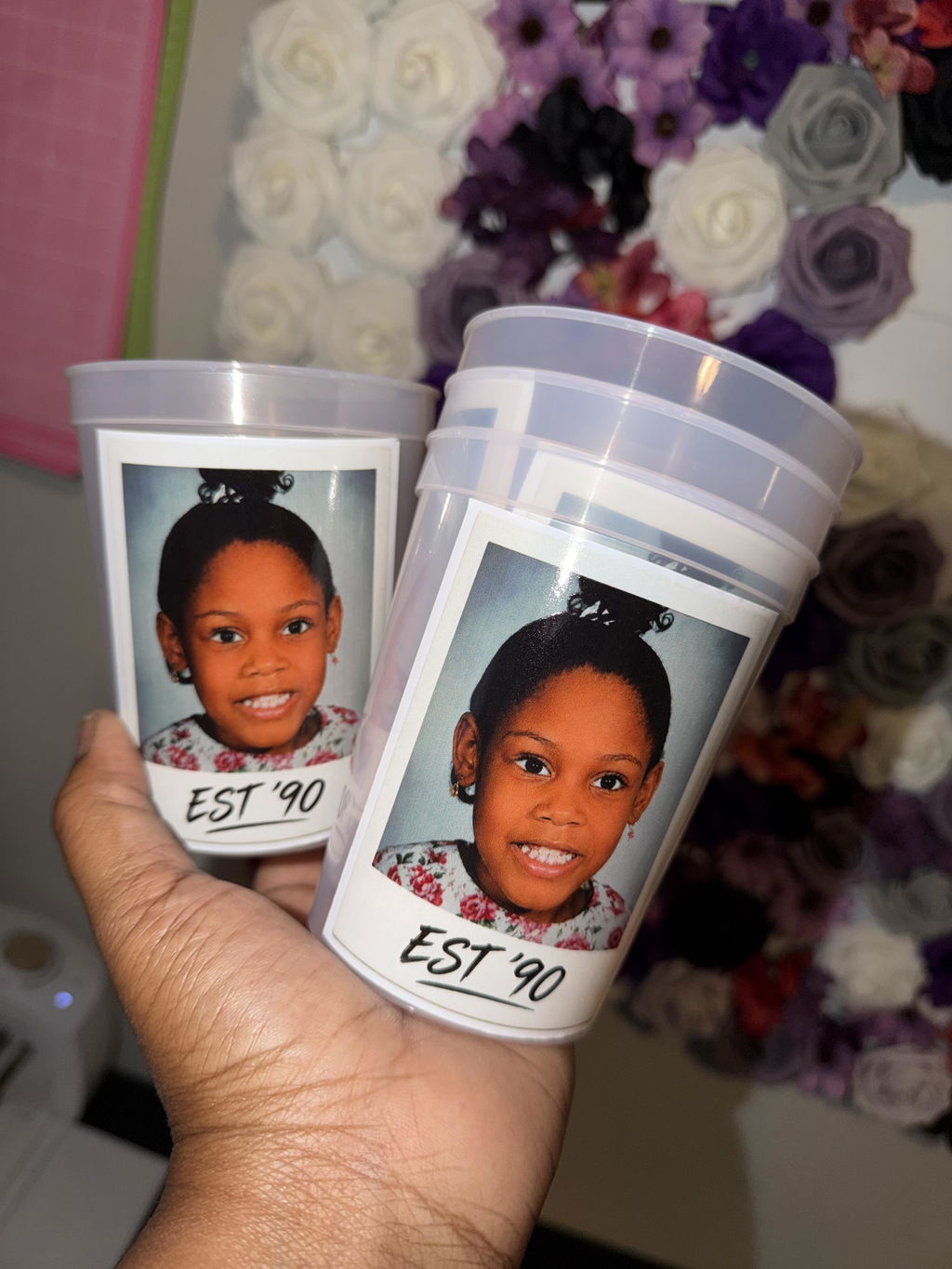
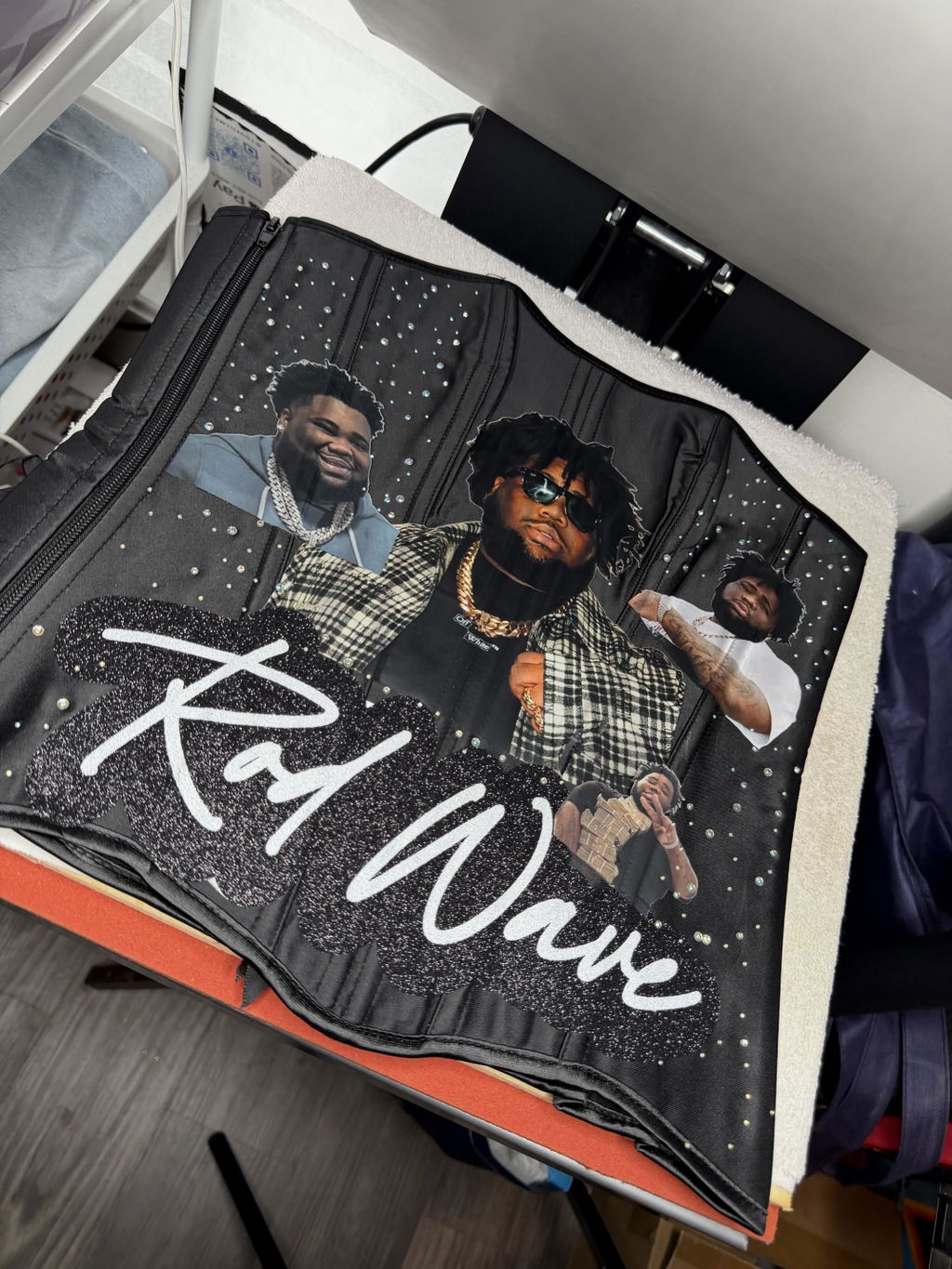
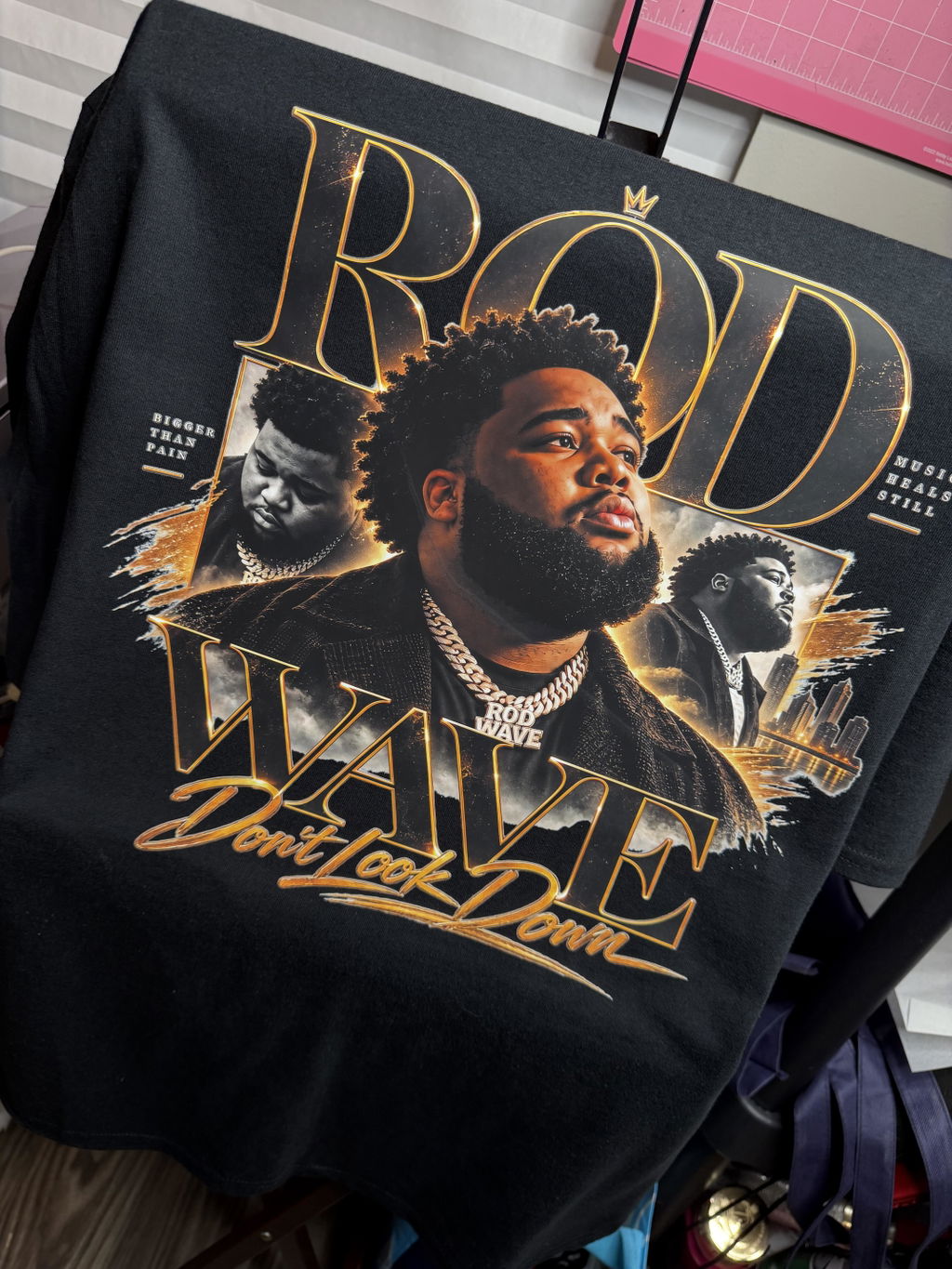
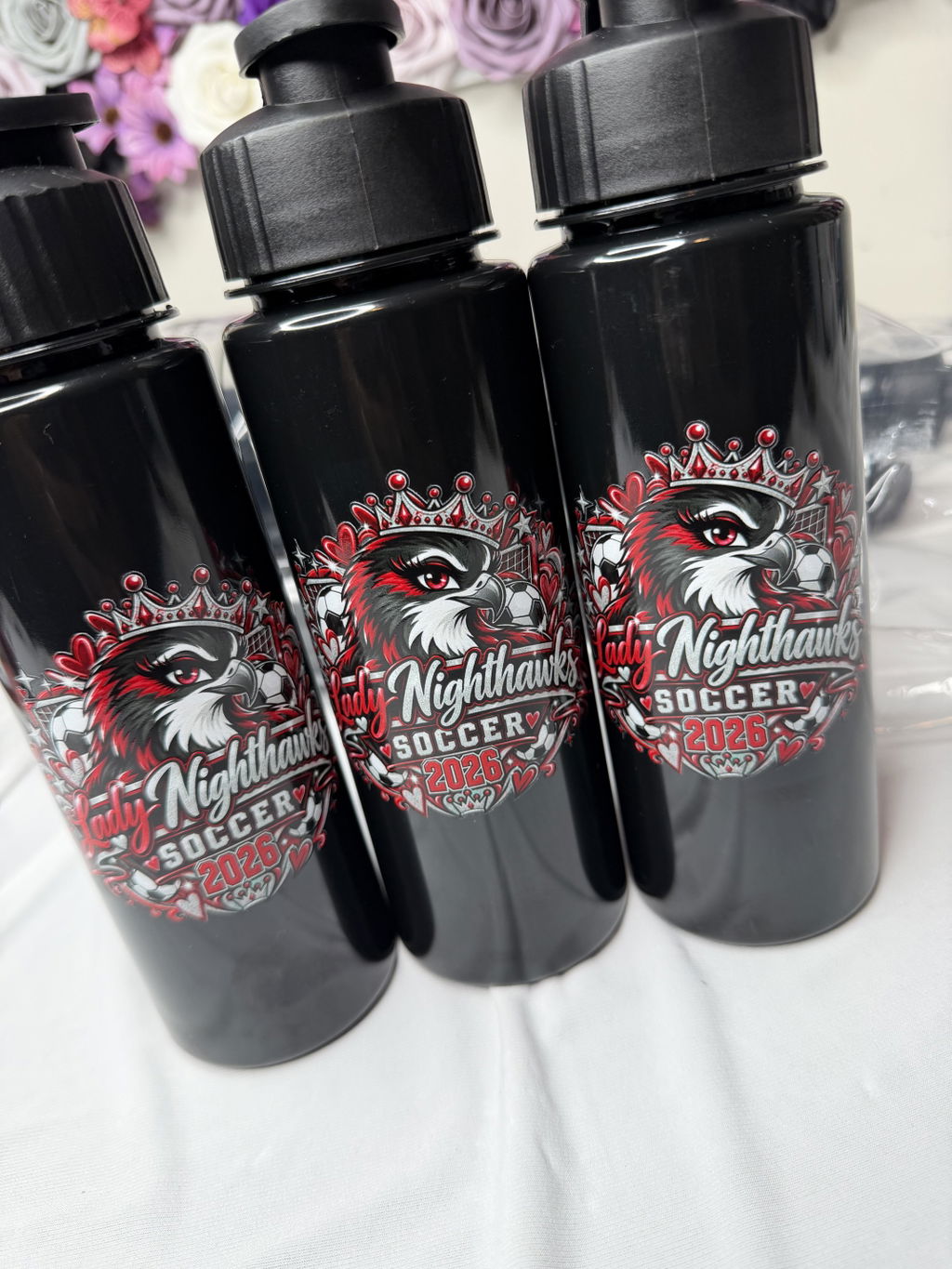
VIBRANT COLORS
•ORDER TODAY. PRINT TODAY. SHIP TODAY
•PREMIUM DTF TRANSFERS
•NO MINIMUMS
•FREE SHIPPING OVER $100
•24/7 Local Pickup · Bulk DTF Orders · dtf · DTF Gang Sheet · dtf transfers · Murfreesboro

An artwork file can stay unchanged while the Murfreesboro order built around it changes completely. The U.S. Census Bureau estimates Murfreesboro’s July 1, 2025 population at 171,178, up 12.0% from the 2020 estimates base, while Middle Tennessee State University reports 20,812 students for fall 2025. In a city combining rapid population growth with a large, changing campus community, staff lists, organization rosters, event quantities, and repeat apparel needs do not stand still.
That matters when you order DTF transfers. The artwork may still be approved, but the quantity, garment mix, placement, deadline, or way the designs should be organized can be different from the last run. A useful Murfreesboro ordering process keeps the parts that are still reliable, rechecks the parts that have changed, and then chooses the simplest production route for the current job.
For a design with a known size and quantity, transfers by size may be enough. If a finished multi-design layout is already prepared, a gang sheet upload can make sense. If several graphics still need to be arranged into a production sheet, a gang sheet builder may be the better tool. When the schedule is tight, DTF Nash’s same-day shipping option can be built into the production plan after the order details are settled.
A logo can remain unchanged for months or years. The apparel need around that logo can change much faster. A Murfreesboro restaurant, retailer, service business, or local organization might use the same approved mark for staff apparel across several production runs. A later order may add employees, replace a few garments, or expand the logo to another garment type. The file has not changed, but the production requirement has.
Murfreesboro’s local economy gives that scenario a real commercial context. Census QuickFacts reports about $6.19 billion in total retail sales and about $711.6 million in accommodation and food services sales for 2022. Those figures do not prove that any specific business uses DTF transfers, but they show a substantial customer-facing business environment where staff apparel, branded shirts, promotional pieces, and repeat logo work are reasonable production needs.
The same principle applies to campus and group apparel. MTSU’s fall 2025 enrollment of 20,812 students means Murfreesboro has a large population of clubs, organizations, teams, performances, activities, and changing group rosters. A design created for one semester may still be valid the next time it is used, even though the number of shirts, member roles, or event requirements has changed.
That is why “reuse the artwork” and “repeat the old order” should not be treated as the same instruction.
A dependable repeat order begins by separating stable production information from moving information. This keeps you from rebuilding the entire job, but it also prevents an outdated quantity or placement from being copied forward without review.
Approved artwork is often stable if the logo, graphic, spelling, and production version are still correct. Finished transfer size can also remain stable when garment type and placement have not changed. If either changes, the old dimension should be rechecked.
Quantity is more volatile. Staff counts, group rosters, event attendance, and replacement needs move. Artwork role can move too: a graphic once used only for staff apparel may later appear on customer merchandise, volunteer shirts, or an event run.
Deadline and fulfillment should be reopened every time. An approved file from last month does not tell you whether this month’s order needs to ship immediately or can be planned on a more relaxed schedule.
One of the easiest ways to create confusion is to treat garment quantity and transfer quantity as if they are always the same number.
If 40 shirts all use one front design, the math may be simple. But a 40-shirt group order can also contain a front logo for everyone, a back print for only part of the group, a sleeve mark for staff, and a second graphic for another role. In that case, “40 shirts” is not an order specification. It is only the starting count.
Before submitting the job, map each artwork to its actual use. Record what the design is for, where it will be placed, the finished transfer size, and how many times it needs to be applied. That gives you a real transfer count instead of a garment estimate.
This local pillar does not replace a detailed size-and-placement guide. The point is narrower: choose the order format after the current artwork-to-garment relationship is clear.
DTF Nash offers several ways to move approved designs into production. The best route depends on how much organization has already been completed before checkout.
If each design has a known finished dimension and a clear quantity, custom DTF transfers by size can keep the order straightforward. This works well when only a few graphics are involved or when each design can be counted separately without building a larger sheet layout.
A business reordering one approved chest logo in the same finished size may not benefit from rebuilding a gang sheet workflow. Confirm the current quantity and order the transfer size again. The simplicity comes from decisions already being settled, not from size no longer mattering.
If several designs belong in the same production run and the final sheet layout has already been prepared, the DTF gang sheet upload route can be useful.
A finished sheet should reflect the current order, not merely an old layout that contains the same artwork. Check the quantity of each repeated design, verify finished dimensions, and make sure no outdated graphic or unnecessary copy remains on the sheet.
Think past printing as well. Once transfers are produced, the graphics still need to be cut, sorted, and matched with the correct garments. Detailed layout strategy deserves its own supporting article; here, the key decision is that upload works best when the production sheet is already complete and verified.
If multiple graphics need to travel through the same order but the final layout has not yet been built, the DTF gang sheet builder gives you a way to organize them into one sheet.
This can help group jobs with different logos, multiple print sizes, repeated graphics, or role-specific artwork. It works best after the artwork set and quantities are decided. If a design is still waiting for approval or the number of copies is still moving, the layout may have to be rebuilt repeatedly.
Murfreesboro’s growth makes quantity control more than an accounting detail. The city’s 2025 population estimate is 12.0% above its 2020 estimates base, and the larger Nashville-Davidson–Murfreesboro–Franklin metro added 18,600 nonfarm jobs from June 2025 to June 2026, a 1.6% increase according to the U.S. Bureau of Labor Statistics.
Those numbers do not forecast DTF sales. Their value is operational: a growing market creates more situations where an existing brand, team, organization, or apparel program may need to add people without redesigning the artwork. For a business, that can mean a small run for new employees. For a campus group, it can mean a new roster built around an existing design.
A useful repeat-order record should therefore tell you not only what was printed, but also what that quantity represented at the time. “Thirty copies” becomes more useful when you know whether those copies covered a full staff, one department, a one-day event, or a particular organization roster.
Murfreesboro sits about 35 miles southeast of Nashville and is part of the Nashville Metropolitan Statistical Area, according to the City of Murfreesboro. DTF Nash operates from Nashville, and Murfreesboro customers can use same-day shipping as part of a time-sensitive transfer plan.
The useful moment to make that shipping decision is after the production inputs are closed. Faster fulfillment cannot approve artwork, determine finished dimensions, or count how many transfers a changing group needs.
For a deadline-driven job, work backward from the day the garments need to be pressed or delivered. Decide when the transfers must be in hand, then make sure artwork, size, quantity, and order format are finalized early enough to support that schedule.
DTF Nash’s physical pickup location is in Nashville, not Murfreesboro. A Murfreesboro customer can consider Nashville pickup when it fits the workflow, but this article does not imply a separate Murfreesboro pickup point. Same-day shipping provides a direct fulfillment option without requiring that local-pickup assumption.
Once an order works well, save enough information to understand why it worked. A useful production record can include the approved artwork version, finished transfer dimensions, placement, quantity used for that run, the order format, and the date or project the quantity belonged to.
That record helps you identify the next change quickly. If artwork and size are still valid but quantity is different, the next order is mostly a counting problem. If placement changes, sizing needs to be reopened. If several new graphics are added, the order format may need to change from individual transfers to a gang sheet.
This is where repeat ordering becomes more reliable without turning the local pillar into a wholesale or inventory-management guide. Bulk production systems, standing reorder quantities, and high-volume workflows can remain separate supporting topics.
An old order is a reference, not a command. Recheck the plan when the garment type changes, a logo moves to a different placement, a group roster changes significantly, a new design is introduced, or the deadline is much shorter than before. Any of those changes can affect transfer dimensions, quantity, layout, or fulfillment.
A previous gang sheet is especially easy to copy without noticing that one size is no longer needed or another design needs more repeats. Likewise, a by-size order can become inefficient if the next run introduces several graphics that now belong in the same production cycle.
The more repeat work you do, the more useful this distinction becomes: reuse reliable information, but rebuild the parts of the order that the current job has actually changed.
A production-ready order does not require the printer to guess what you meant. The approved artwork is identified, every design has a finished size, the current quantity is known, and the order route matches the way the artwork is organized.
If the project has a deadline, the fulfillment plan should also be clear. That may mean same-day shipping for a tight Murfreesboro schedule or Nashville pickup when that is the better operational fit.
When those pieces are settled, the transfer order becomes easier to place and easier to repeat later. You are no longer relying on a vague memory of the last job. You have a current production plan that explains what stayed the same and what changed.
Murfreesboro’s growth, its large MTSU community, and its connection to the broader Nashville metro create a local market where apparel needs can change without forcing artwork to change at the same pace. That makes repeat-order discipline especially useful.
Keep the production information that is still reliable. Recount the quantity for the current staff, group, event, or apparel run. Recheck size and placement when garment use changes. Choose transfers by size when the job is simple, upload a finished gang sheet when the layout is complete, or use the gang sheet builder when approved artwork still needs to be organized. When timing is tight, add same-day shipping after those production decisions are closed.
The result is a DTF order built for the Murfreesboro job you have now, with enough structure to make the next run faster to understand and easier to reproduce.