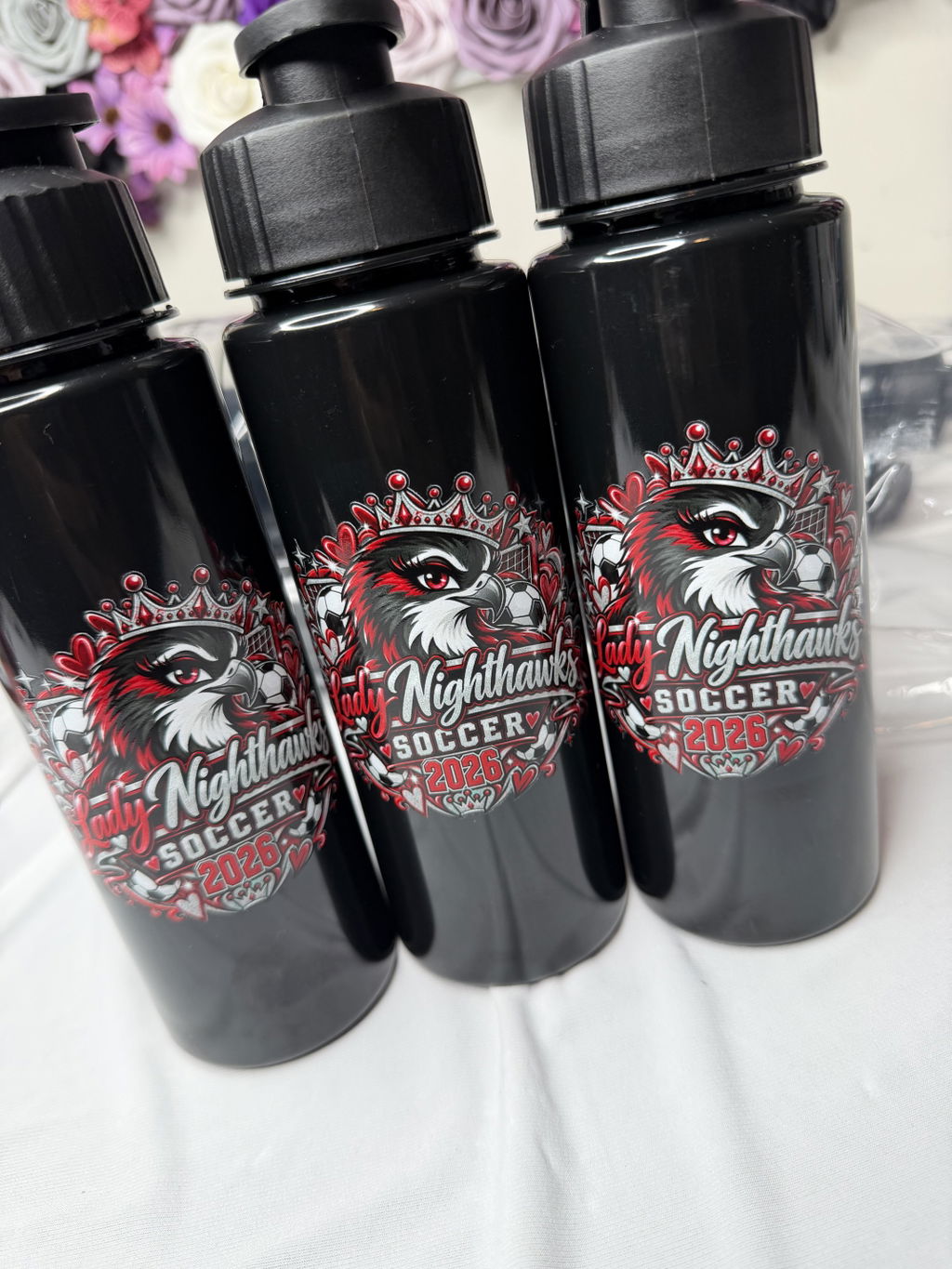
VIBRANT COLORS
•ORDER TODAY. PRINT TODAY. SHIP TODAY
•PREMIUM DTF TRANSFERS
•NO MINIMUMS
•FREE SHIPPING OVER $100
•brentwood · dtf · DTF Gang Sheet · DTF Transfer Sizes · dtf transfers · DTF Transfers for T-Shirts · Glitter DTF Transfers · Glow-in-the-Dark DTF Transfers · Nashville DTF Transfers · Same-Day DTF Transfers · Wholesale DTF Transfers

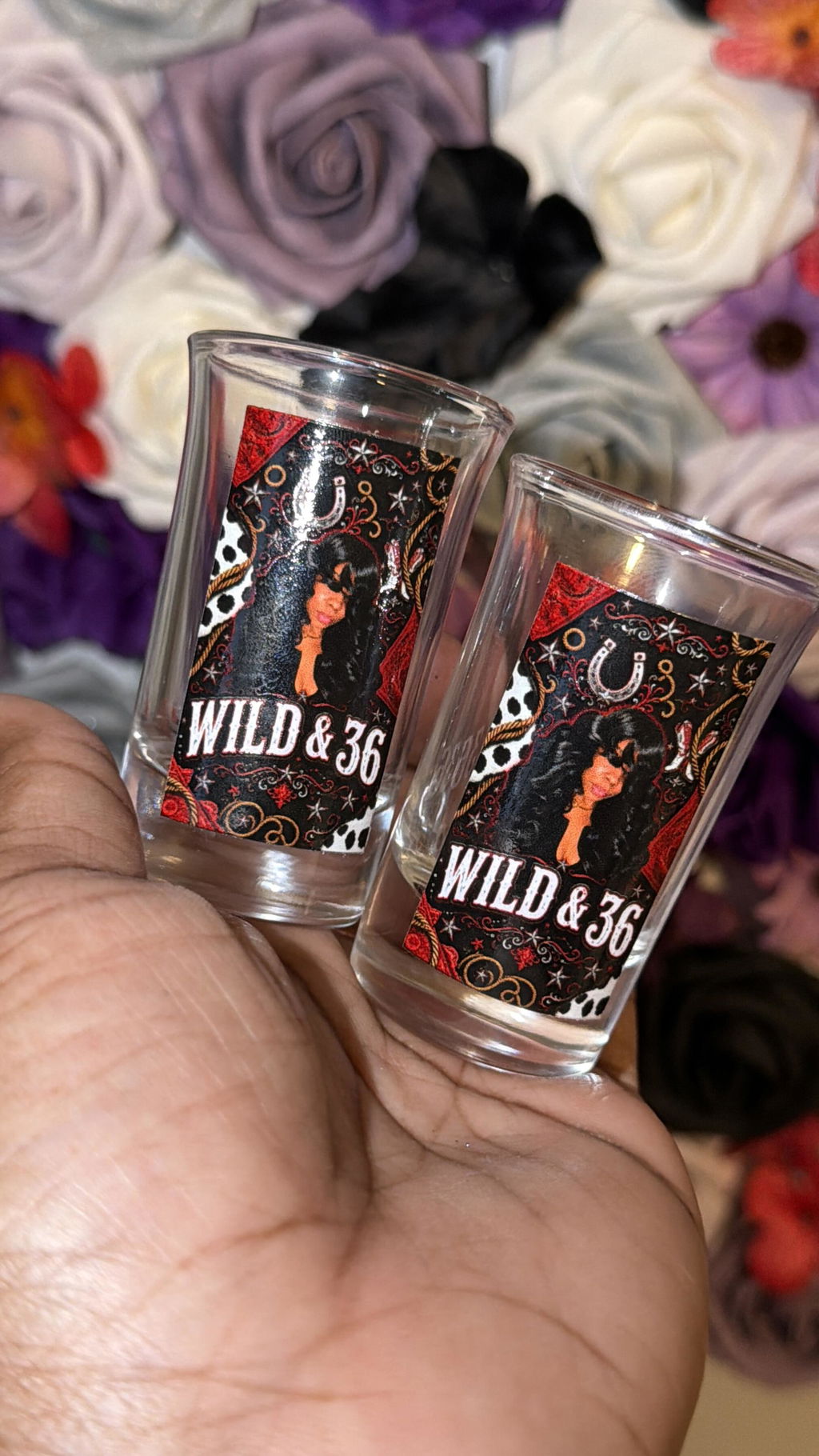
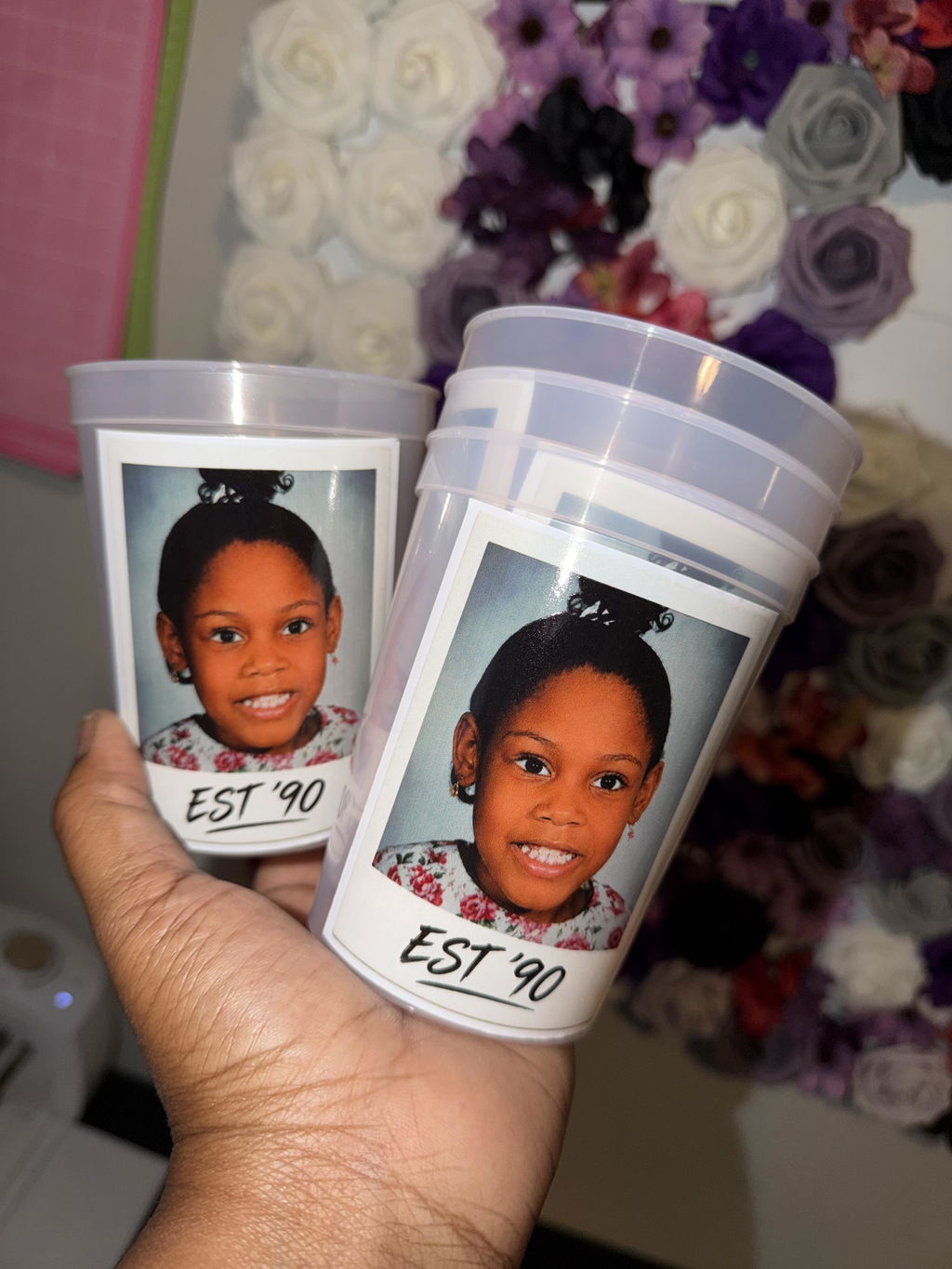
DTF printing gives B2B sellers and business buyers a practical way to turn digital artwork into branded apparel without building every order around long production runs. In the simplest model, a design is printed onto transfer film, the finished transfer is heat-applied to a garment, and the business sells the decorated item or uses it for staff, events, promotions, or merchandise. UV DTF serves a different lane: it applies branding to smooth hard surfaces such as tumblers, bottles, packaging, signs, and other promotional items without a heat press.
For Brentwood, Tennessee, the useful question is not “Is DTF a get-rich-quick business?” It is: How can a B2B seller or buyer build a repeatable branded-product offer around apparel and hard goods, price it responsibly, and use a reliable transfer-production partner instead of owning every printing process? That is where DTF and UV DTF can become commercially useful.
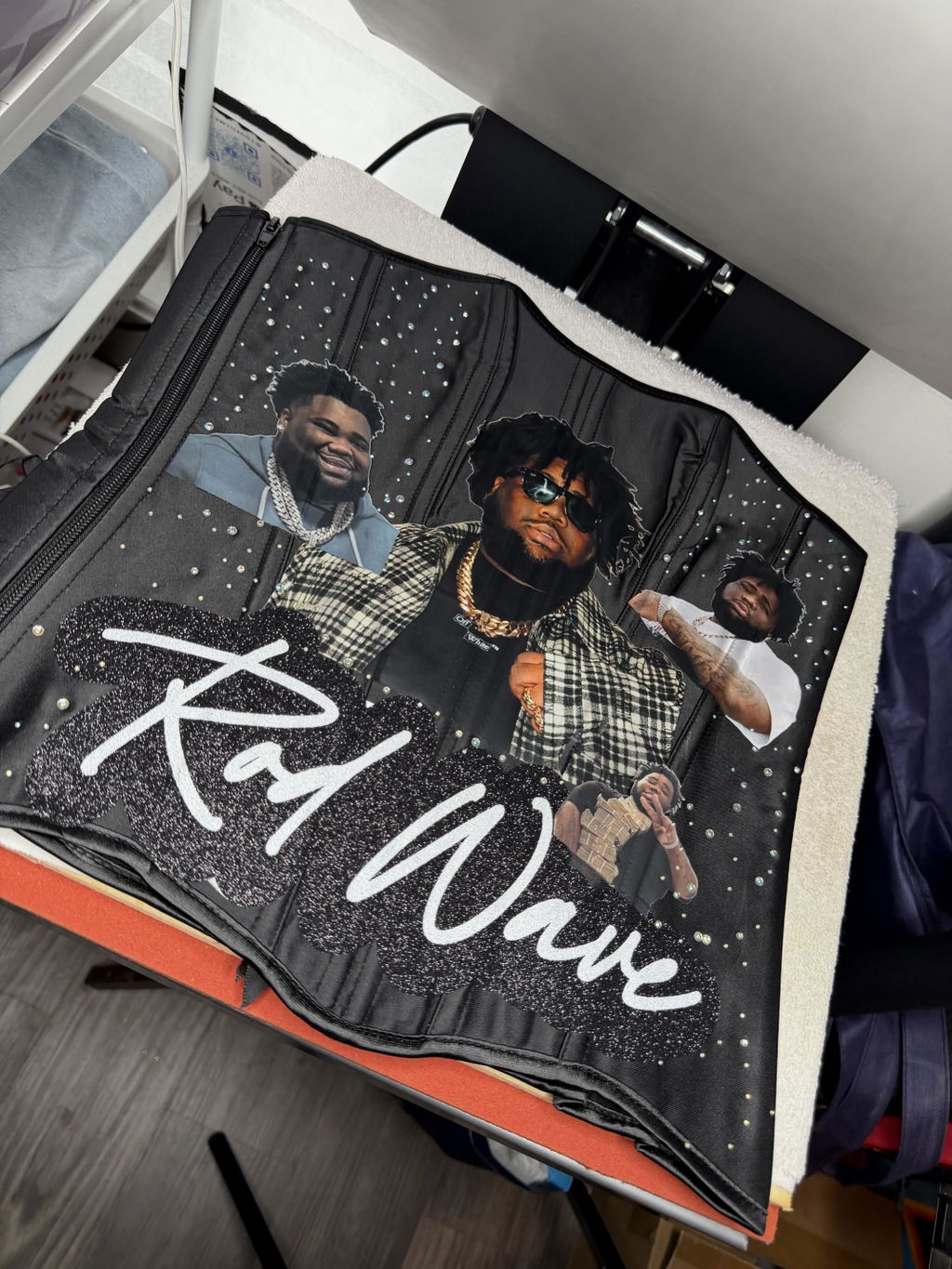
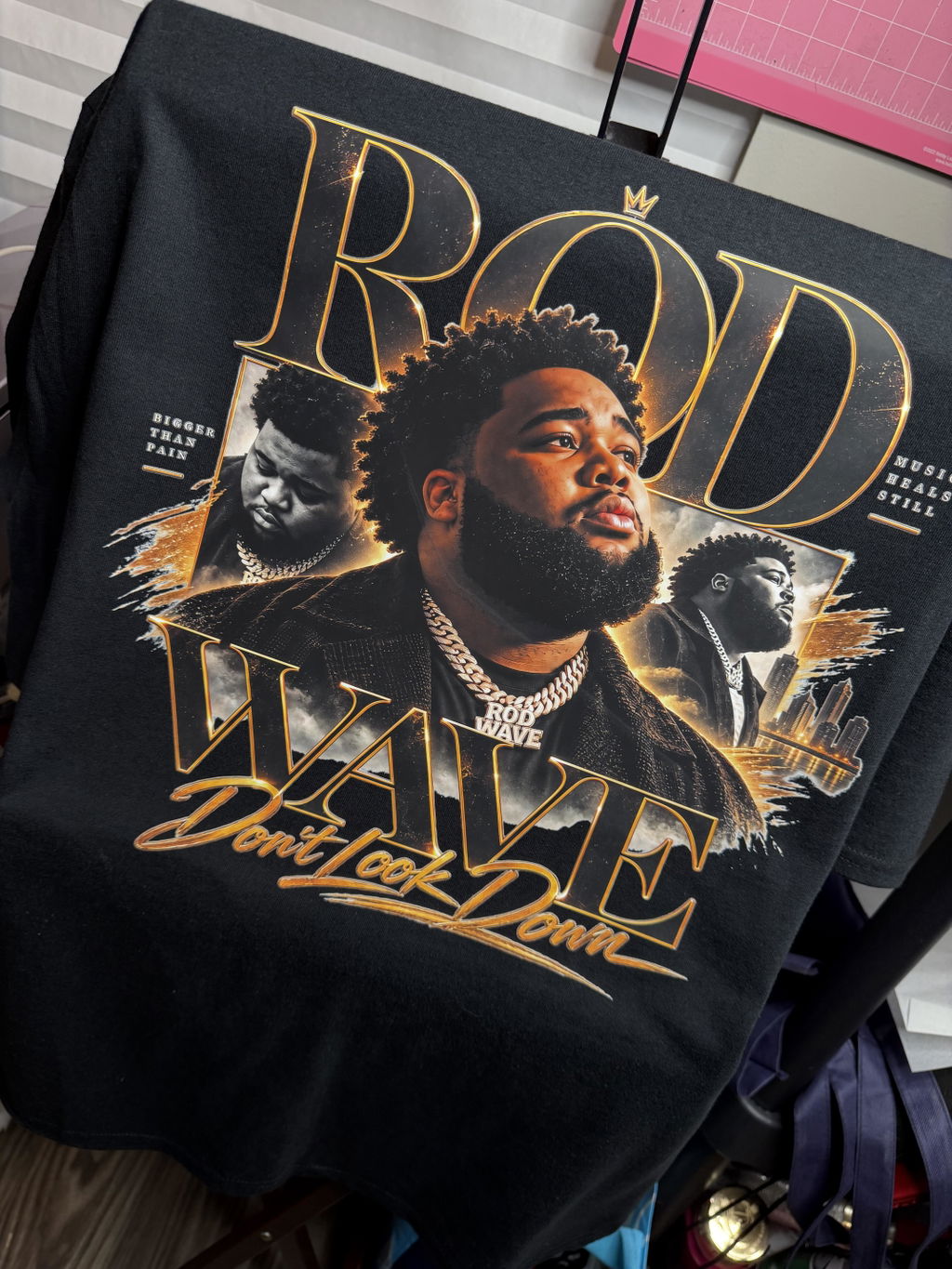
DTF, or Direct to Film, separates the printing of the graphic from the final apparel application. A print shop, reseller, marketing company, event producer, apparel seller, or in-house brand team can order ready-to-press transfers, then apply them to suitable garments with a heat press. That creates a useful business model because the customer-facing company can focus on artwork, blank garments, account management, pressing, quality control, packaging, and fulfillment while the transfer-production step is outsourced.
That does not mean every B2B seller should press garments in-house. Some businesses may simply purchase transfer services as one part of a broader production workflow. The important point is that DTF transfers for custom apparel can be bought as a production input rather than requiring the buyer to own and maintain a DTF printer.
UV DTF expands the same commercial thinking beyond apparel. Instead of decorating fabric, UV DTF decals are designed for smooth hard surfaces. That makes it possible to build a client package that includes shirts or hoodies on the wearable side and branded tumblers, packaging, labels, jars, signs, or other compatible smooth-surface items on the hard-goods side.
A transfer is a production component. A B2B customer usually cares about the finished outcome: new-hire apparel, event staff shirts, a launch kit, branded drinkware, client gifts, sales-team gear, or merchandise that can be sold. The strongest commercial model is therefore not “buy a transfer and mark it up.” It is to build a useful service around the client’s actual job.
A seller may earn revenue from several parts of one project: product sourcing, artwork organization, transfer ordering, decoration, quality control, packaging, kitting, and fulfillment. Only quote services the seller actually provides.
A simple way to test whether an order makes economic sense is:
Order contribution = customer price − blanks − transfers − direct labor − packaging − payment, shipping, and rework costs actually carried by the seller.
No universal margin percentage makes a DTF job profitable. A large order can still be weak if labor, reprints, packaging, or fulfillment are ignored. A smaller order can be attractive when the scope is controlled and the customer is paying for a complete, useful solution. For B2B sellers, disciplined scoping matters more than impressive revenue numbers.
Recent local data make the B2B package approach more relevant than a generic “print T-shirts locally” pitch. The City of Brentwood describes the city as a premier residential and office community and notes that it is a popular location for corporate headquarters. Maryland Farms, a major part of Brentwood’s business identity, is an office complex where multiple corporations have located headquarters.
The broader Williamson County employment base is substantial. The U.S. Bureau of Labor Statistics reported 13,830 covered establishments and 154,121 covered jobs in Q4 2025. Employment was up 2.2% year over year in December 2025, while average weekly wages reached $1,889, up 7.0%. These are county figures, not Brentwood-only DTF demand; they show an active business and employment environment around the city.
Visit Franklin reported $1.38 billion in direct visitor spending and 8.83 million visitors in Williamson County in 2025. Its August 2026 release also reported 9,180 hospitality jobs, up 2.0% from 2024. This does not prove DTF demand. It does show a meaningful hospitality, event, food-and-beverage, recreation, and retail context where branded apparel and promotional goods can serve real business uses.
The stronger signal is the combination of a concentrated office environment, a large county employment base, and a meaningful visitor-and-event economy. That mix creates many reasons for a B2B customer to need branded products even when the customer never thinks in terms of “DTF printing.”
One of the easiest ways to make a B2B offer more useful is to separate the client’s request by surface.
This surface-first decision prevents a common sales mistake: trying to force every branding need into one product. A corporate customer may need apparel for employees, but the same project may also need branded drinkware for a welcome kit. An event client may need staff shirts and sponsor-branded hard goods. DTF and UV DTF stickers for hard surfaces can support those separate jobs inside one coordinated account.
Imagine a Brentwood-area company bringing in a group of new employees. Instead of quoting only a logo shirt, a seller can scope a small onboarding system: approved-logo apparel, a branded tumbler or bottle, and packaging that keeps each kit organized. DTF handles the wearable graphics; UV DTF can handle compatible hard-surface branding.
The monetization is not based on claiming an arbitrary profit per shirt. The seller controls the customer relationship and charges for the actual scope: product sourcing, decoration, assembly, packaging, and any fulfillment it truly performs. If the company hires again later, the seller already has an approved specification to work from.
An event account can include staff shirts, crew apparel, speaker or VIP items, sponsor-branded drinkware, and event-specific packaging. The smart move is to separate evergreen company branding from date-specific artwork. A permanent logo can remain reorder-ready, while the event graphic can be produced only for the current campaign.
This structure can create more value than selling one batch of shirts because the seller is solving several event-branding problems at once. It also reduces the chance that all inventory becomes obsolete after the event.
A professional, medical, home-service, financial, or other customer-facing business may need consistent branded apparel for employees and smaller branded items for customer handoffs, recruiting, internal meetings, or community appearances. The account does not need to order everything at once.
A B2B seller can build a repeatable menu with approved apparel placements, a controlled garment-color set, and a few compatible hard-goods applications. The value comes from repeatable service, not from redesigning every order.
A local apparel seller can validate demand before investing in a full DTF printing system. It can sell the job, source blanks, order ready-to-press transfers, press and inspect the garments, and manage the customer. If hard goods are part of the package, UV DTF can be outsourced as well.
This does not guarantee profit; a heat press, labor, workspace, quality control, and operating costs still matter. It does let the seller test customer demand before turning every production step into an equipment investment.
If the printing or decorating business will physically operate inside Brentwood, check local setup separately. The City currently states that businesses within city limits need a city business tax license and a Williamson County business license, while a home-based physical location requires a Home Occupation Permit first. Confirm current requirements with the relevant agencies; this guide is not licensing or tax advice.
Whether you are the seller or the business placing the order, the quality of the brief affects the quality of the production handoff. Before ordering, define the job in practical terms.
For a single apparel design with a known finished size, custom DTF transfers by size can keep the order straightforward. When several designs or sizes must be organized together, a gang-sheet workflow may make more sense.
Do not start a B2B sales conversation by asking which file format the customer wants. Start with the job.
Transfers by size are useful when a design already has a defined finished dimension and the buyer wants individual ready-to-press transfers. This is often easier for standardized logos or simple repeat jobs.
Gang sheets are useful when multiple graphics, sizes, or quantities can be organized on one sheet. They can work well for a mixed order, but only after the final artwork and dimensions are known. A gang sheet is an efficiency tool, not a substitute for scoping the job.
UV DTF by size or UV DTF gang sheets follow the same planning principle on hard goods: first define the finished decal and surface use, then choose the order format that fits the artwork set.
DTF Nash can serve as the transfer-production backend for a Brentwood business, reseller, print shop, or brand team that wants to keep the customer-facing work local without owning every printing process. The current DTF Nash catalog includes DTF transfers by size, DTF gang-sheet options, and UV DTF options for compatible hard surfaces. The site also supports no-minimum ordering, which is useful when testing a new B2B offer, producing samples, or running a smaller project before scaling.
DTF Nash is located at 405 Harding Industrial Drive in Nashville. Brentwood should not be described as a DTF Nash pickup location. For time-sensitive work, the current DTF Nash contact page states that Monday-Friday orders placed before 2 PM CT can print and ship or be picked up the same day, with a Saturday cutoff of 1 PM. Local pickup is available 24/7 at the Nashville location.
That can be useful for Brentwood-area operators because the transfer-production decision and the customer-account decision do not have to be the same business. A seller can concentrate on the client brief, product mix, pressing or application, and service while DTF Nash handles the transfer order. For larger or unusual B2B requirements, contact DTF Nash before promising a production plan to the customer.
DTF printing produces full-color transfers on film that are heat-pressed onto compatible fabric products. In a B2B workflow, the transfer can be one production component inside a larger apparel service that includes blanks, pressing, quality control, packaging, and fulfillment.
DTF is primarily used for fabric-based products and requires heat application. UV DTF is designed for compatible smooth hard surfaces and does not require a heat press for application. Choose based on the surface first, not because one process is universally “better.”
Yes. A reseller or decorator can outsource transfer production and order ready-to-press DTF transfers. The business still needs to account for blanks, pressing, labor, quality control, errors, packaging, and other promised services.
Event sellers can combine staff apparel, merchandise, sponsor graphics, and compatible UV DTF hard goods. The commercial value comes from packaging a useful solution and controlling the direct cost of each deliverable, not from assuming that every printed item has the same margin.
Recent Williamson County employment and visitor data show a substantial B2B, hospitality, and event economy around Brentwood, while the City of Brentwood identifies the city as an office community and corporate-headquarters location. Those facts support potential customer use cases, but they do not guarantee DTF demand or business profitability. The best test is to validate real customer orders, calculate your direct costs, and build repeatable specifications before scaling.
DTF becomes more valuable when it solves a real business problem. For Brentwood-area sellers, that may mean corporate apparel, onboarding kits, event merchandise, uniforms, or branded hard goods. For B2B buyers, it means defining artwork, surfaces, quantities, responsibilities, and deadlines before production.
The practical opportunity is not to own the most equipment or to promise a fixed profit per item. It is to create a clear branded-product system, use DTF for wearables and UV DTF where hard-surface branding fits, understand the true cost of the job, and choose a production partner that can support the order when the customer is ready.
Data note: Local context in this guide uses the U.S. Bureau of Labor Statistics Q4 2025 Williamson County release, current City of Brentwood sources, and Visit Franklin's August 31, 2026 Williamson County tourism release. County figures are identified as county-level data and are not presented as Brentwood-only DTF demand.