VIBRANT COLORS
•ORDER TODAY. PRINT TODAY. SHIP TODAY
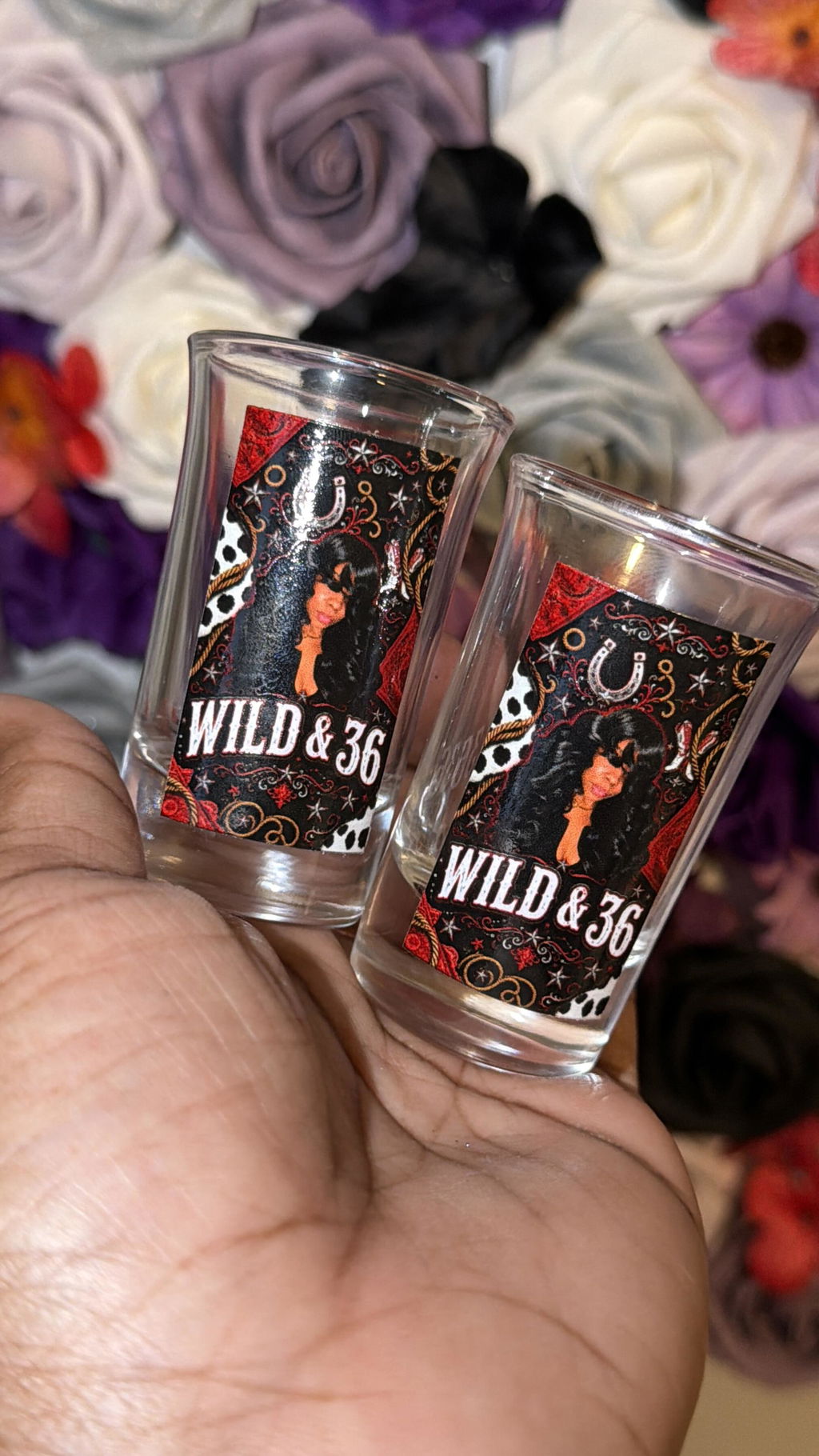
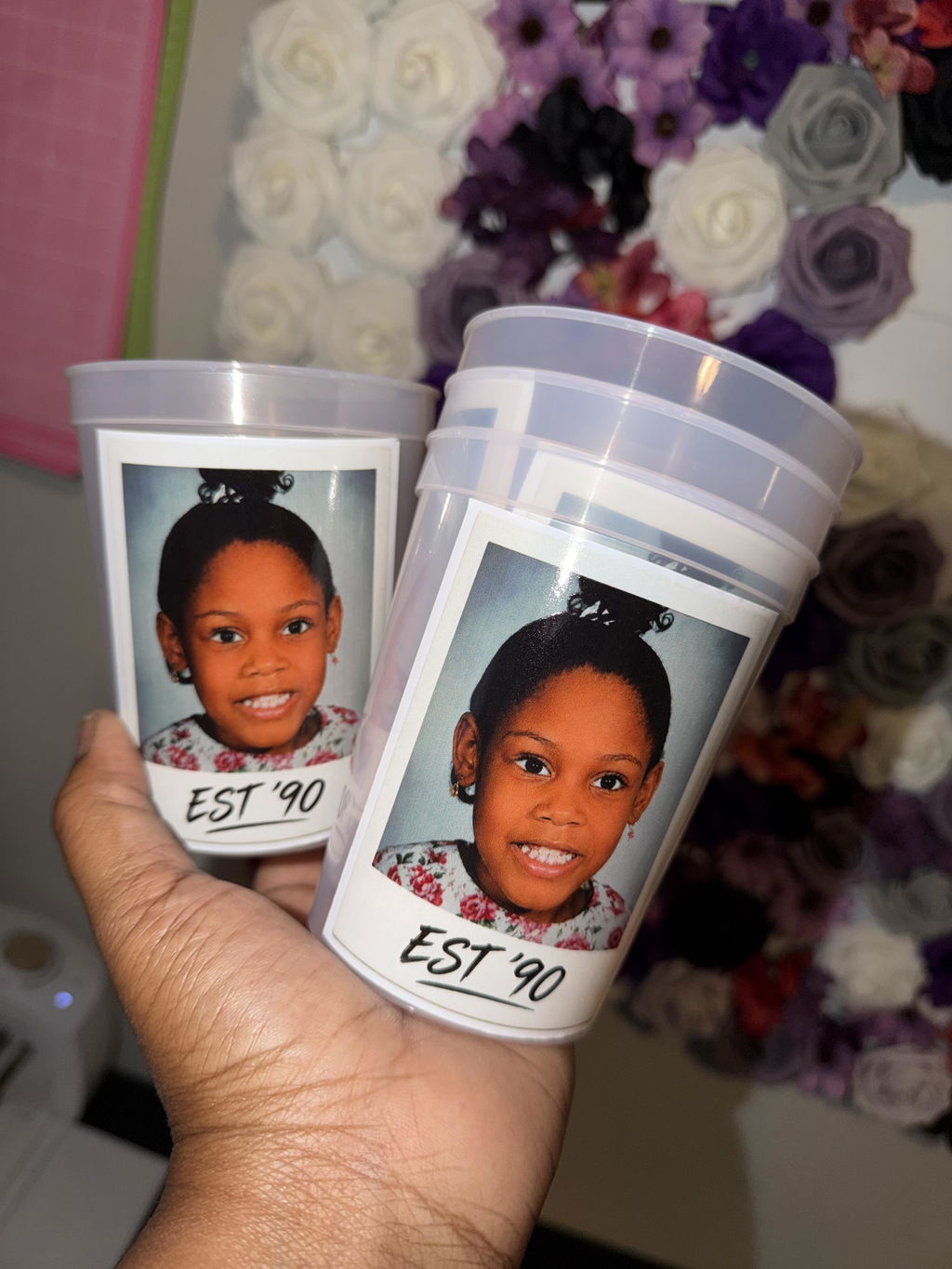
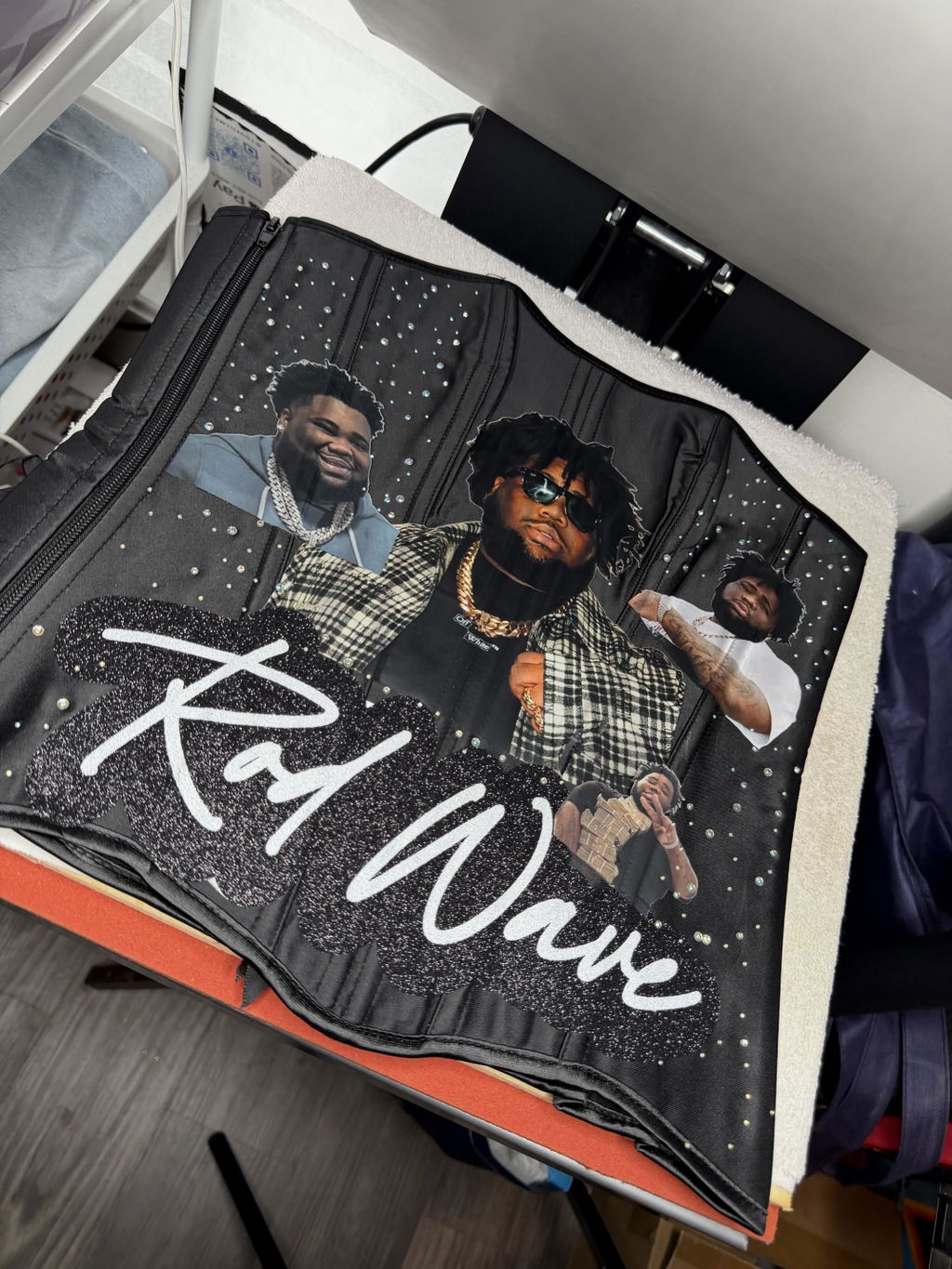
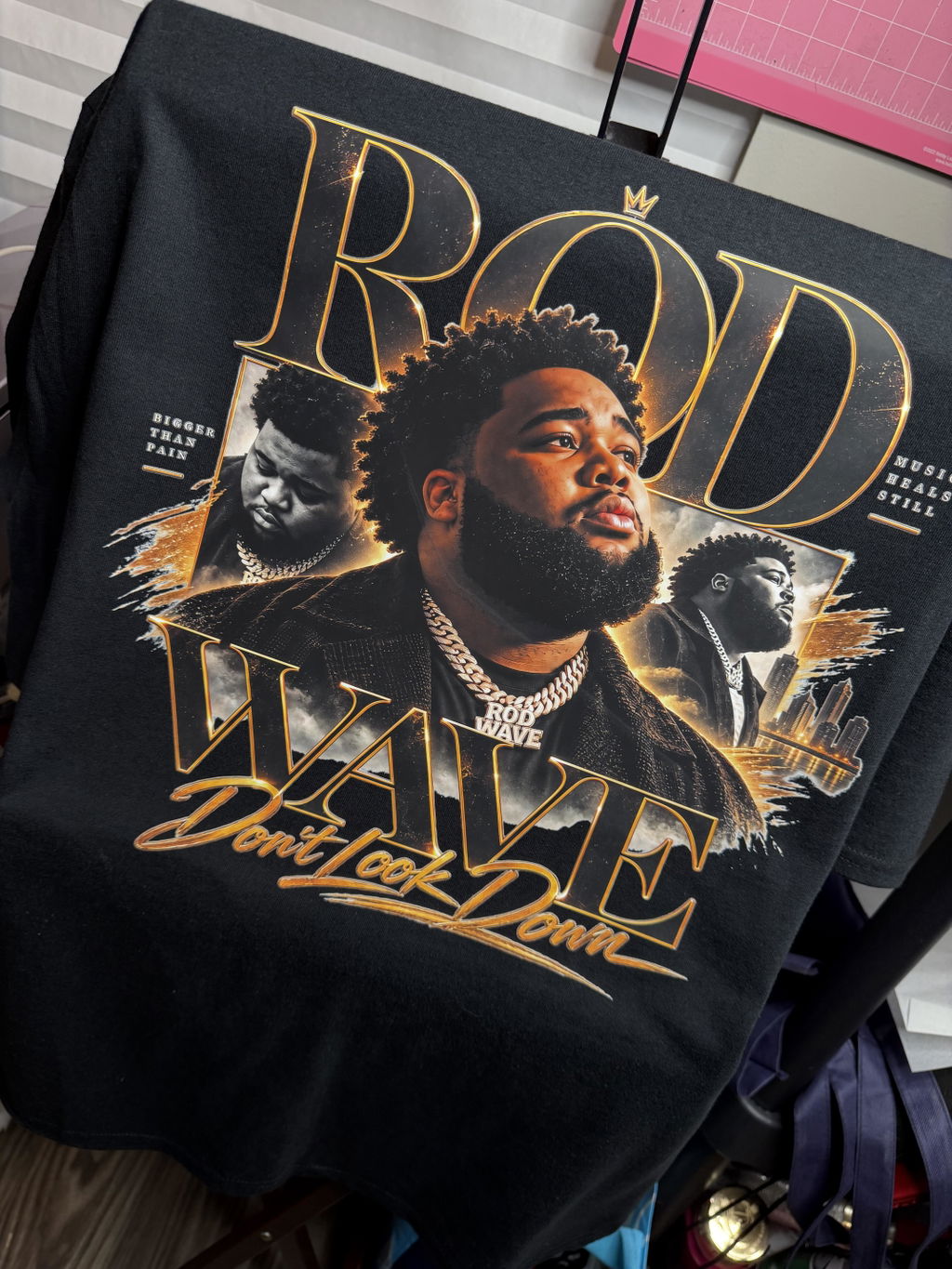
•PREMIUM DTF TRANSFERS
•NO MINIMUMS
•FREE SHIPPING OVER $100
•dtf transfers · Murfreesboro TN · Small DTF Reorders

An apparel run does not always stay finished after the main order is complete. Two new employees may join the team. A few garment sizes may be missing during distribution. One shirt may need to be replaced after damage. A club may add another member after the original order has already been pressed.
In those situations, the artwork may still be correct. The original production setup may still be correct too. What changed is simply the number of transfers you need now.
A small DTF reorder should therefore focus on the exception instead of rebuilding the entire original job. Keep the production information that is still valid, identify what changed, and calculate only the transfers needed for the add-on.
Not every repeat order is a small exception. If the design has changed, the artwork has moved to a new version, the placement is different, or the new garment use requires a different finished transfer size, more of the original production setup needs to be reviewed.
A true add-on is narrower. The approved artwork stays the same. The existing placement is still appropriate. Most of the production setup remains valid. The new requirement is only a few additional garments or transfers.
For example, suppose a 40-person staff run is complete and two new employees later need the same front logo. That does not necessarily mean you need to rebuild a 42-piece main order. The original 40-piece run remains part of the job history, while the new requirement can be treated as two additional transfers.
Murfreesboro also has a local growth context that makes changing headcounts worth planning for. U.S. Census Bureau QuickFacts reports a July 1, 2025 population estimate of 171,178 for Murfreesboro, a 12.0% increase from the April 1, 2020 estimates base. BLS metro employment data for June 2026 also shows that nonfarm employment in the Nashville-Davidson–Murfreesboro–Franklin metro increased by 18,600 from June 2025 to June 2026. For an organization or business whose staff or membership changes over time, it is practical to have a way to handle a few late additions without treating every change as a new full production run.
If the main run was completed correctly, return to its production record before creating anything new.
Four details can provide a reliable starting point:
If those details are still valid, they can carry forward. The old quantity should be treated differently. The quantity from the main run describes what was produced then. The add-on quantity should describe only what is missing now.
That distinction keeps a small reorder focused. Instead of copying the original run from beginning to end, the new order connects a limited additional need to production information that has already been established.
“We need a few more” is not quite enough information to build a clean reorder. Knowing why the additional pieces are needed tells you which details should be checked again.
If a garment was damaged or needs to be remade, start with the original piece. Identify the artwork, placement, and finished transfer size used for it. If all three remain correct, the new requirement may simply be the replacement quantity.
There is no reason to reopen the full-run count just to replace one piece. One replacement becomes a quantity of one. Three replacements become three additional transfers, assuming they use the same production specifications.
When a new person joins, do not look only at the new total headcount. Identify which apparel role that person belongs to within the original job.
If everyone receives the same front logo, the add-on is straightforward. If staff, officers, organizers, or other groups use different artwork, make sure the new person is matched to the correct existing design before adding the quantity.
This lets you count what the new person actually needs rather than reopening every design and quantity from the main run.
If distribution reveals that a few Small, Medium, or Large garments are missing, determine whether you are dealing only with a garment inventory issue or whether the change also affects the transfer dimensions.
A garment size label and a finished transfer size are not the same piece of information. Keeping those two details separate is especially important in small add-on orders.
One of the easiest mistakes in a “missing size” reorder is assuming that a different garment size automatically requires a different transfer dimension.
If the original job used the same artwork at the same finished dimensions across several garment sizes, that existing production specification may still apply to the new garment. If the original run used different transfer dimensions for different garment groups, however, you need to preserve that mapping.
Keep these two fields separate in the add-on record:
This turns a vague statement such as “we are missing three sizes” into a usable production requirement. Identify which existing artwork and transfer dimension belong with each new garment, then calculate the transfer quantity from those matches.
When the original run is correct, the small reorder calculation should not recreate the old total. The useful question is not how many transfers were produced before. It is how many new transfers are required now.
Suppose the original job contained 60 pieces. Later, two new employees are added, one damaged garment needs replacement, and one member shirt was missed. Instead of thinking of the new order as a 64-piece reorder, verify those four new needs.
If all four use the same approved artwork at the same finished transfer size, the new transfer quantity may be four. If one belongs to another artwork role or uses different transfer dimensions, separate the add-on into the correct artwork-and-size combinations.
The main-run quantity remains production history. The add-on quantity should close only the current gap.
If the original job was produced from a gang sheet, the old layout can still be useful as an artwork reference. That does not mean the same sheet automatically has the right quantity mix for a small add-on.
The original sheet may have contained one design 30 times, another 12 times, and a third graphic 5 times. If the new requirement is only two additional copies of the first design, reusing the entire old layout could bring unnecessary repetitions into the new order.
If you need additional copies of several existing designs, you can reuse the approved artwork set while organizing the new requirement around the current quantities. The add-on layout should represent what is needed now rather than simply reproduce how the main run was arranged.
Treat the old gang sheet as part of the production record. Let the missing transfers—not the amount of space used on the old sheet—determine the new order.
Once the exception is clear, choose an ordering route that fits the current requirement.
If one approved design already has known finished dimensions and you need only a few additional copies, Custom DTF Transfers By Size lets you order an individual design at the dimensions and quantity you need without arranging a complete gang sheet.
If the add-on involves several artworks or a different production format, review the available DTF Transfers options based on the structure of the current job.
The point is not that every small reorder must use the by-size route. It is that an original gang-sheet workflow does not automatically need to be rebuilt when the current requirement is only one or a few additional transfers.
Define the missing pieces first. Then choose the route that turns those specific additions into an order with the least unnecessary rebuilding.
A small reorder is easier to understand later when its relationship to the original job is recorded.
An add-on record can include the original project reference, the approved artwork being reused, the confirmed finished transfer size, the current add-on quantity, and the reason for the addition.
The reason is particularly useful. A note such as “2 new employees + 1 replacement + 1 missing member garment” explains the quantity much better than simply recording “4 more.”
That separation also keeps the main run and later additions from blending together over time. The original job shows the initial production setup. Each add-on shows what changed afterward.
If the same artwork remains in use for future orders, that history makes it easier to understand where each additional quantity came from without changing the original record.
You do not need to reanalyze the entire original job to complete a small DTF reorder. Work through four decisions instead:
Once those four points are clear, it becomes much easier to see which production details can carry forward and exactly how many new transfers need to be ordered.
A few new requirements after the main apparel run do not automatically make the original production plan obsolete. If the approved artwork, finished transfer size, and placement are still correct, those decisions can remain in place.
The part that needs attention is the exception: which garment is missing, why it is needed, which existing artwork belongs to it, and how many additional transfers are required.
For a small Murfreesboro add-on involving new staff, a newly added member, a replacement garment, or a missing size, use the original job as the reference. Do not automatically repeat the old quantity. Keep garment size separate from transfer size, and turn only the current need into the new order.
The goal of a small reorder is not to reproduce the old job. It is to complete the new missing pieces using production information that was already correct.